

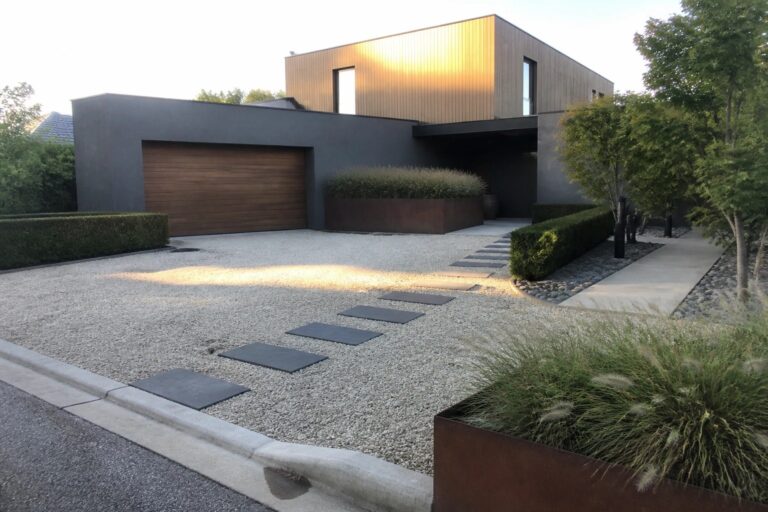
I have noticed that the driveway tends to shape the first impression of a house more than most people expect when they look at the front from the street.
The material choice can either pull the facade and entry together or leave them feeling disconnected in ways that are hard to fix later.
Some gravel options age better than others once cars start using them every day.
I would test a few of these ideas on paper first to see how the color and texture sit with the existing siding and roof before committing.
Over time the right approach keeps the whole exterior looking intentional instead of patched together.
Stepping Stones Through Gravel
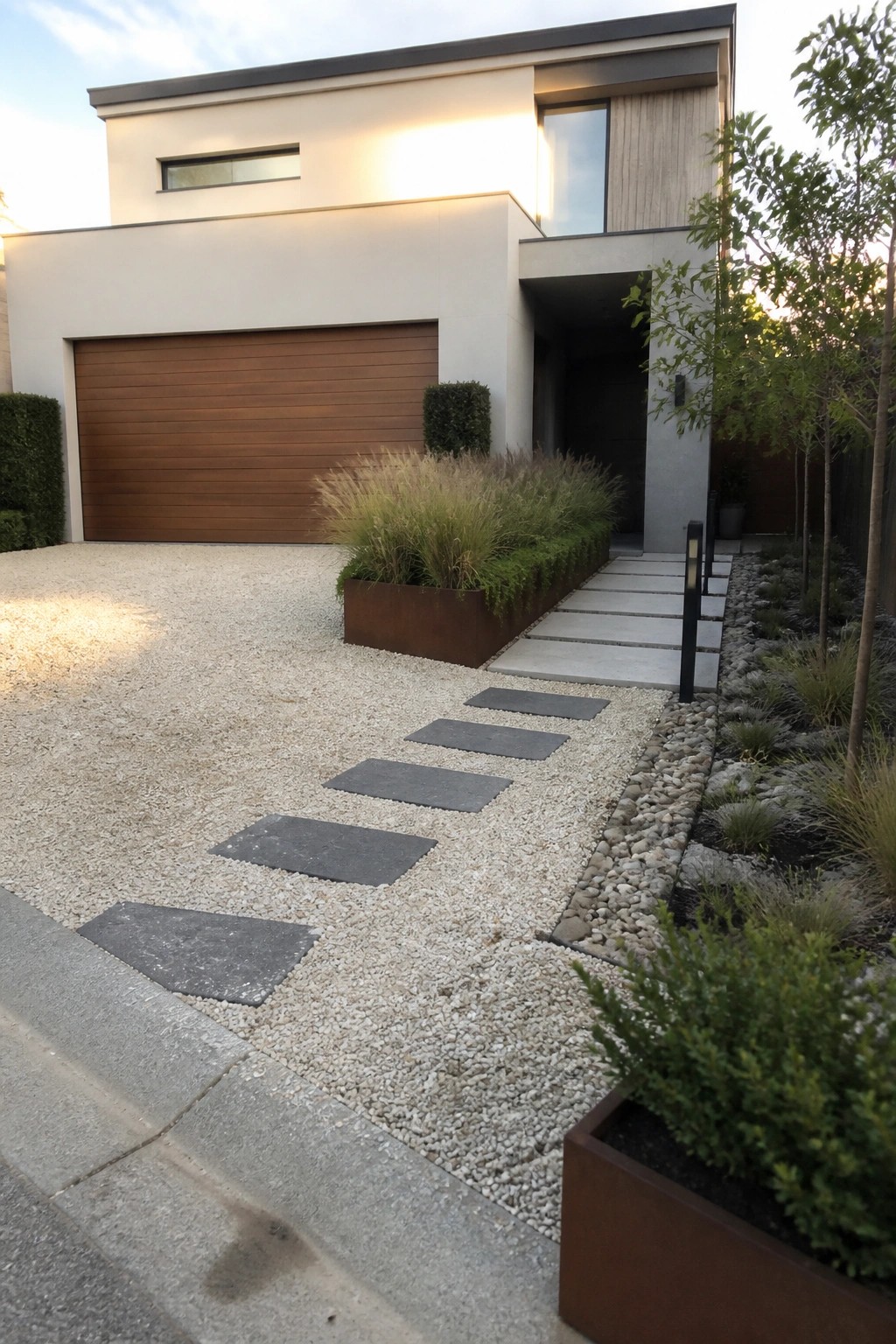
Stepping stones set into gravel give you a firm path to walk on without crunching through loose stones every time. The contrast between the dark pavers and light gravel also breaks up the surface so the driveway feels more intentional instead of just a big flat area.
This layout works best on driveways that double as a main walkway to the front door. Keep the stones in a simple staggered line and use low edging or planters along the sides to keep the gravel contained.
Gravel Driveway with a Central Planting Bed
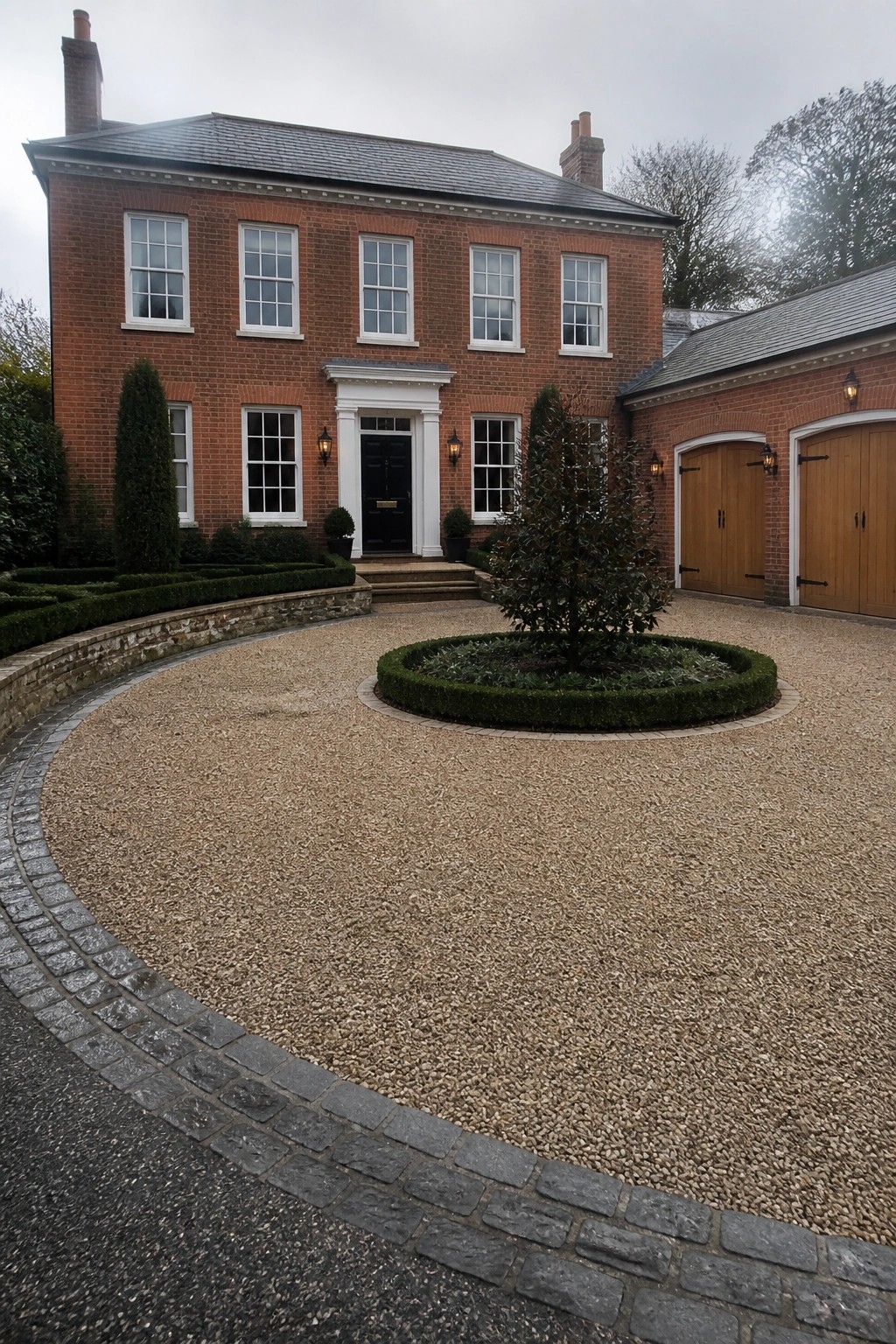
A gravel driveway feels more finished when it includes a planted circle right in the center. The round bed breaks up the open surface and adds a simple layer of greenery that keeps the whole entry from looking too flat or bare.
This works best on homes that have enough space out front for the circle to sit naturally. Use a low hedge or similar edging to hold the gravel in place, and choose plants that stay neat without constant trimming.
Gravel Driveway With a Simple Gate
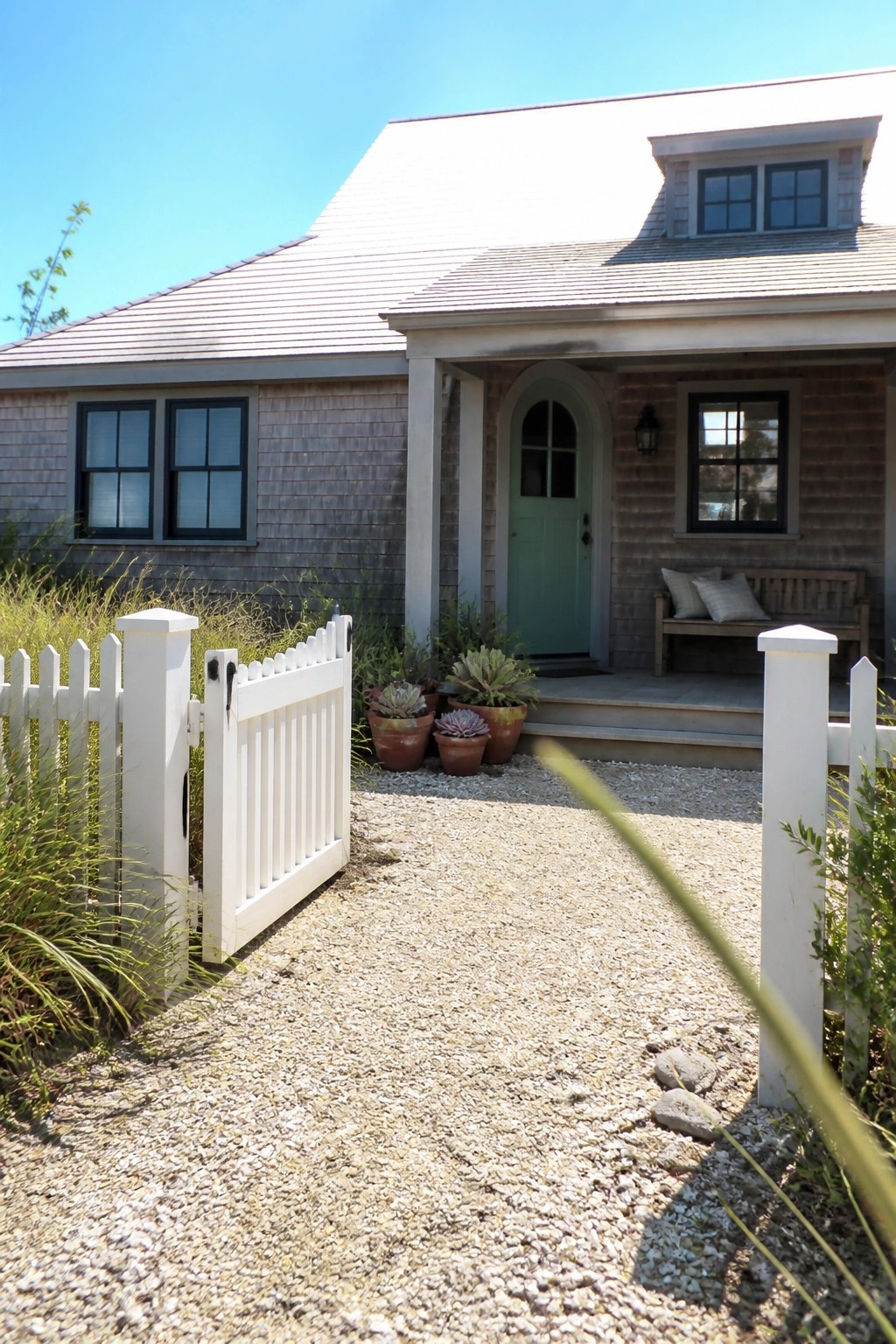
Gravel driveways feel approachable and practical at the same time. The loose surface gives the front yard a relaxed look while still handling regular car traffic without much upkeep.
This approach works best on smaller lots or older homes where a full paved driveway can feel too formal. Keep the edges tidy with low borders so the gravel stays in place and the path stays easy to walk on.
Grass Strips Through A Gravel Driveway
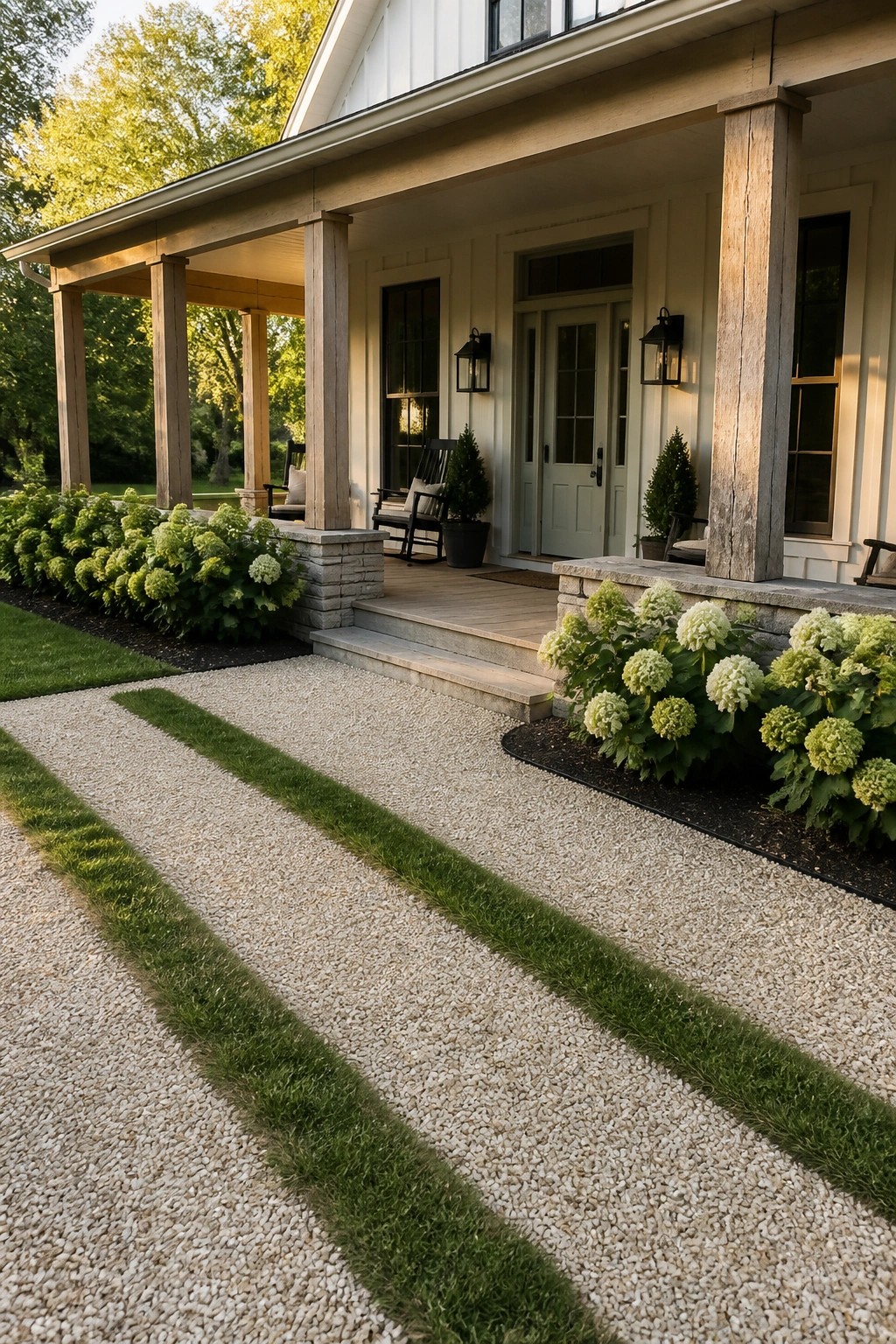
Many homeowners add a few strips of grass right through a gravel driveway to break up the flat surface. The lines add rhythm and keep the gravel from feeling too heavy or industrial in front of the house.
This layout works best on straight or gently curving driveways where mowing stays simple. Keep the grass strips narrow enough to reach with a mower but wide enough to stay green, and use a clean edge so the gravel does not spill over.
Gravel With Concrete Strips
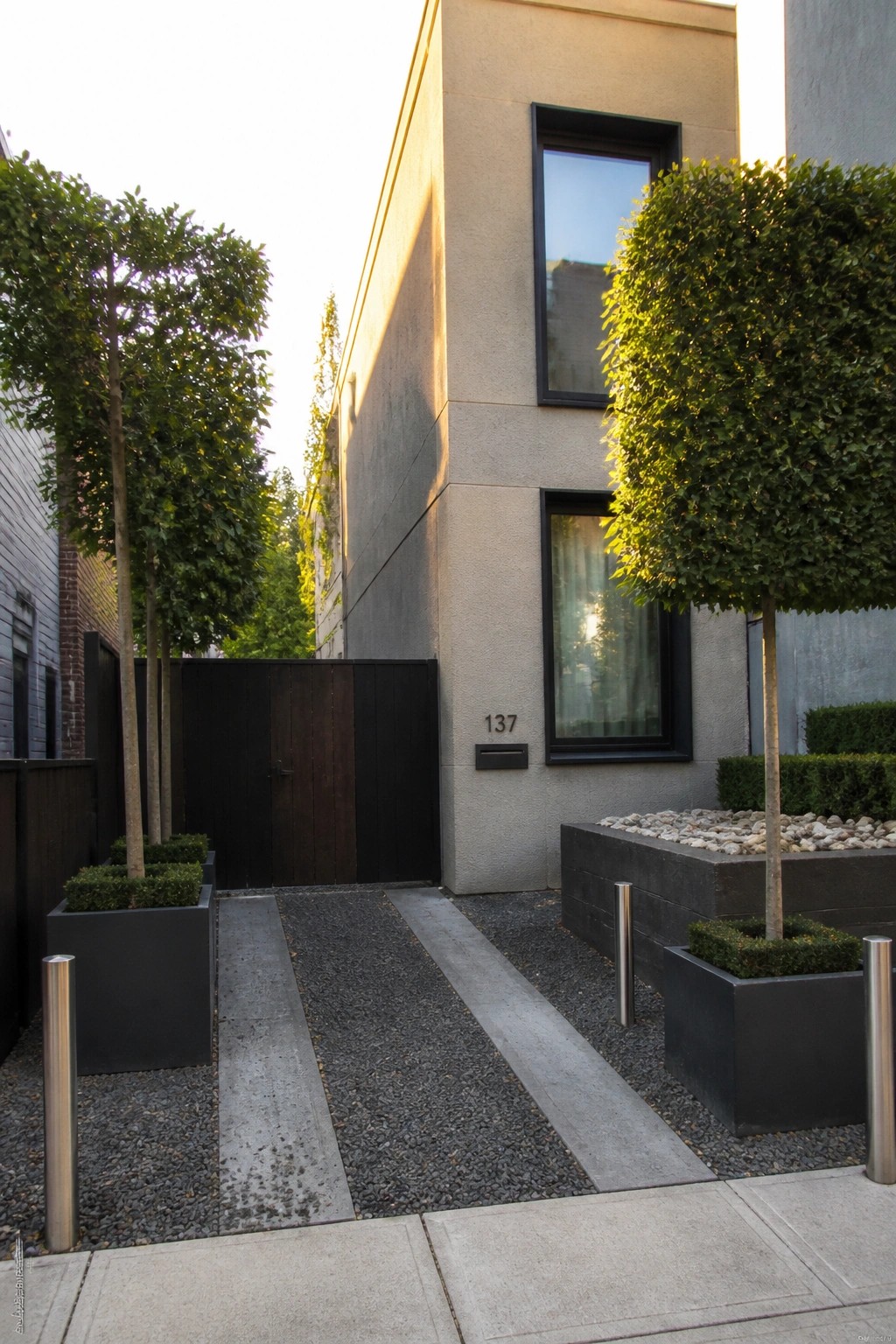
Gravel works well for driveways and paths because it drains easily and feels less heavy than solid paving. Adding a couple of concrete strips down the middle keeps the surface practical for cars and walking while the gravel softens the overall look.
This approach suits modern homes that already use clean lines and simple materials. Keep the gravel contained with edging so it stays neat, and choose a darker stone if you want it to blend with dark planters or metal details nearby.
Gravel Driveways With Cobblestone Edging
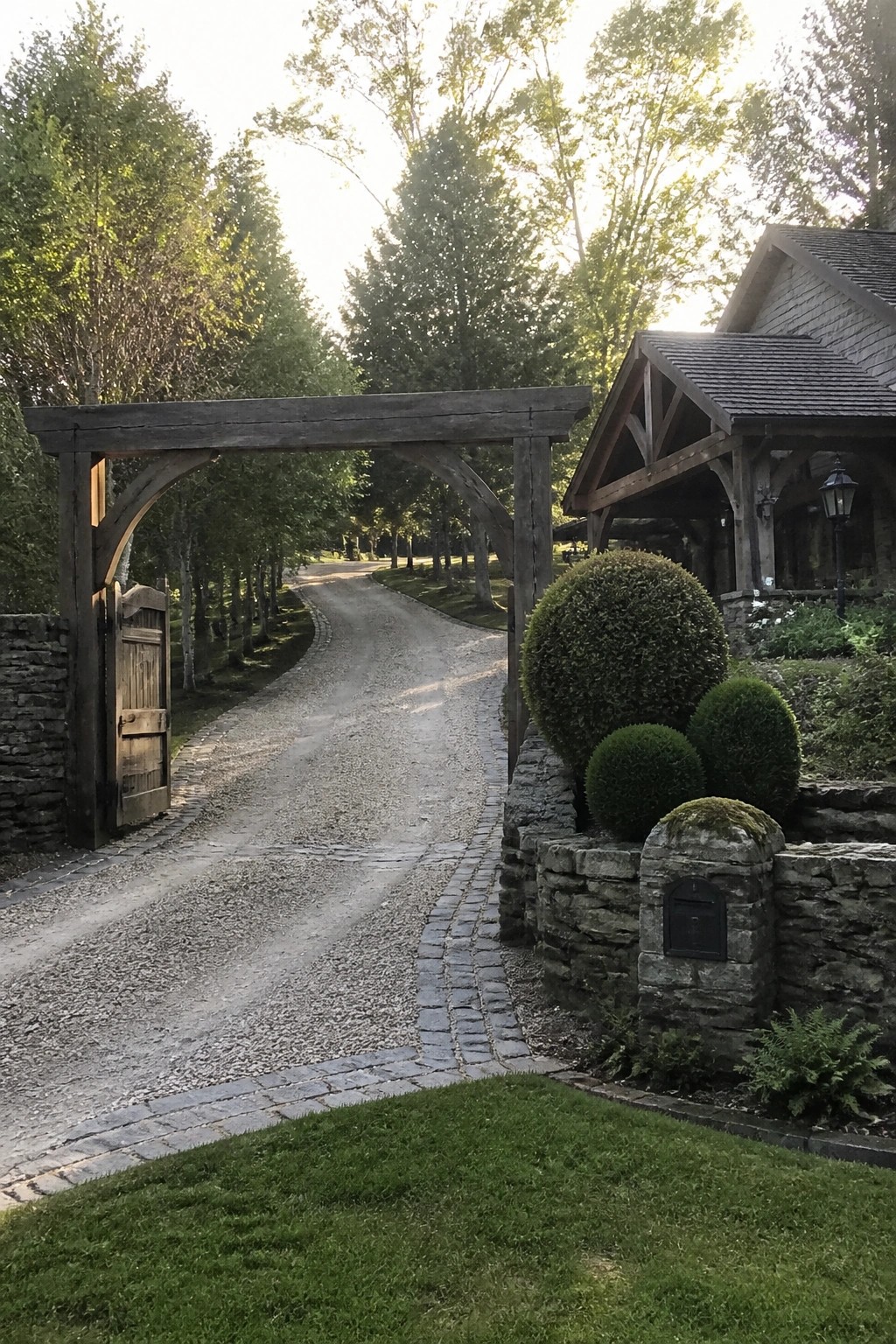
Gravel works well for driveways because it drains easily and feels less formal than solid pavement. The cobblestone borders help hold the gravel in place while giving the path a clear shape that stands out from the surrounding grass and trees.
This setup suits homes with longer approaches or wooded lots where a softer material fits the setting. Keep the edging stones level and set deep enough so they stay put after heavy rain or snow.
Gravel Driveways That Blend Into the Landscape
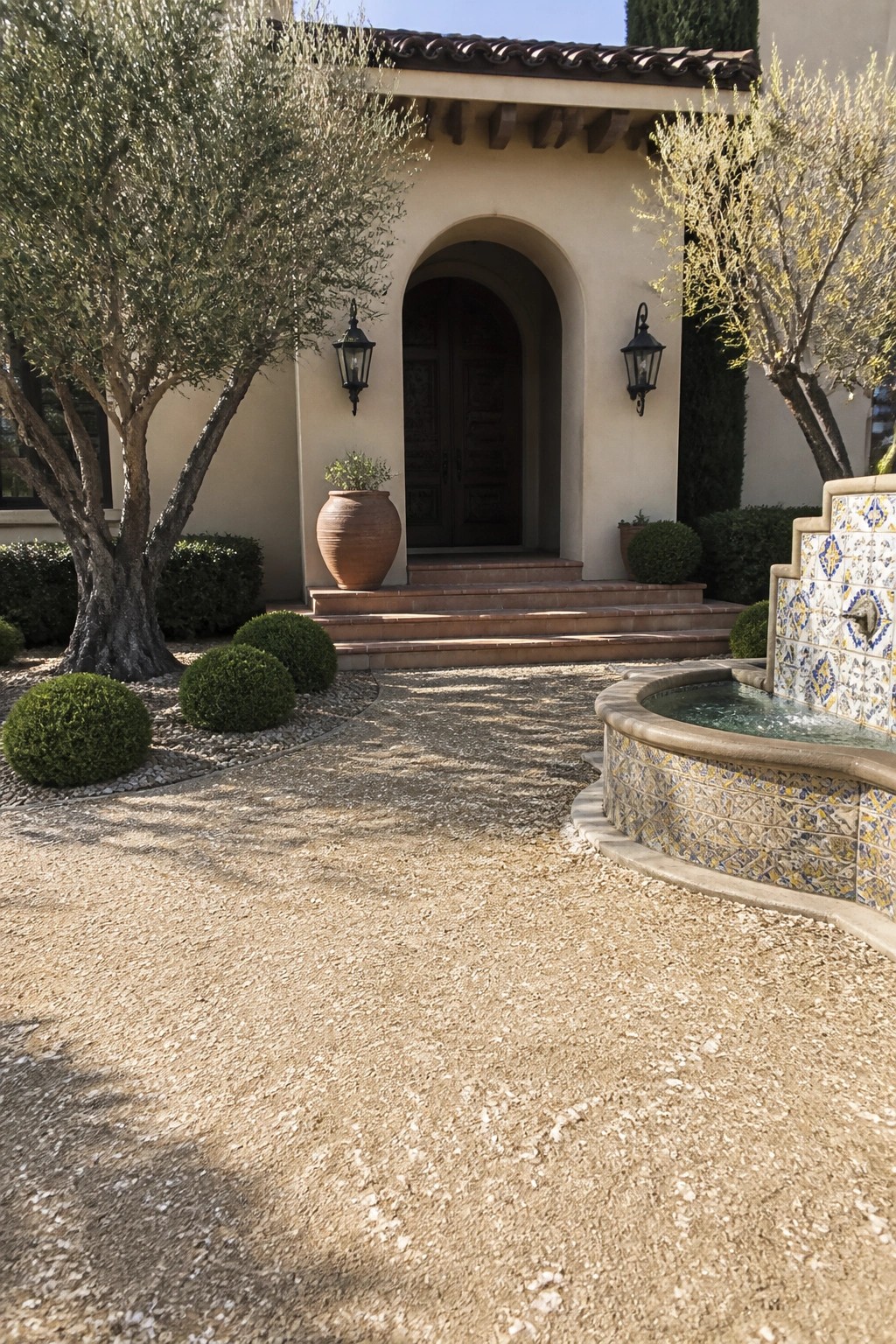
Gravel works well when you want the driveway to feel like part of the garden rather than a separate paved surface. It softens the look around the house and lets the planting and trees take more of the attention.
This approach suits homes with stucco walls and simple entry steps. Keep the gravel contained with edging so it stays neat near the door and does not scatter onto the steps.
Gravel With Stepping Stones For A Simple Path
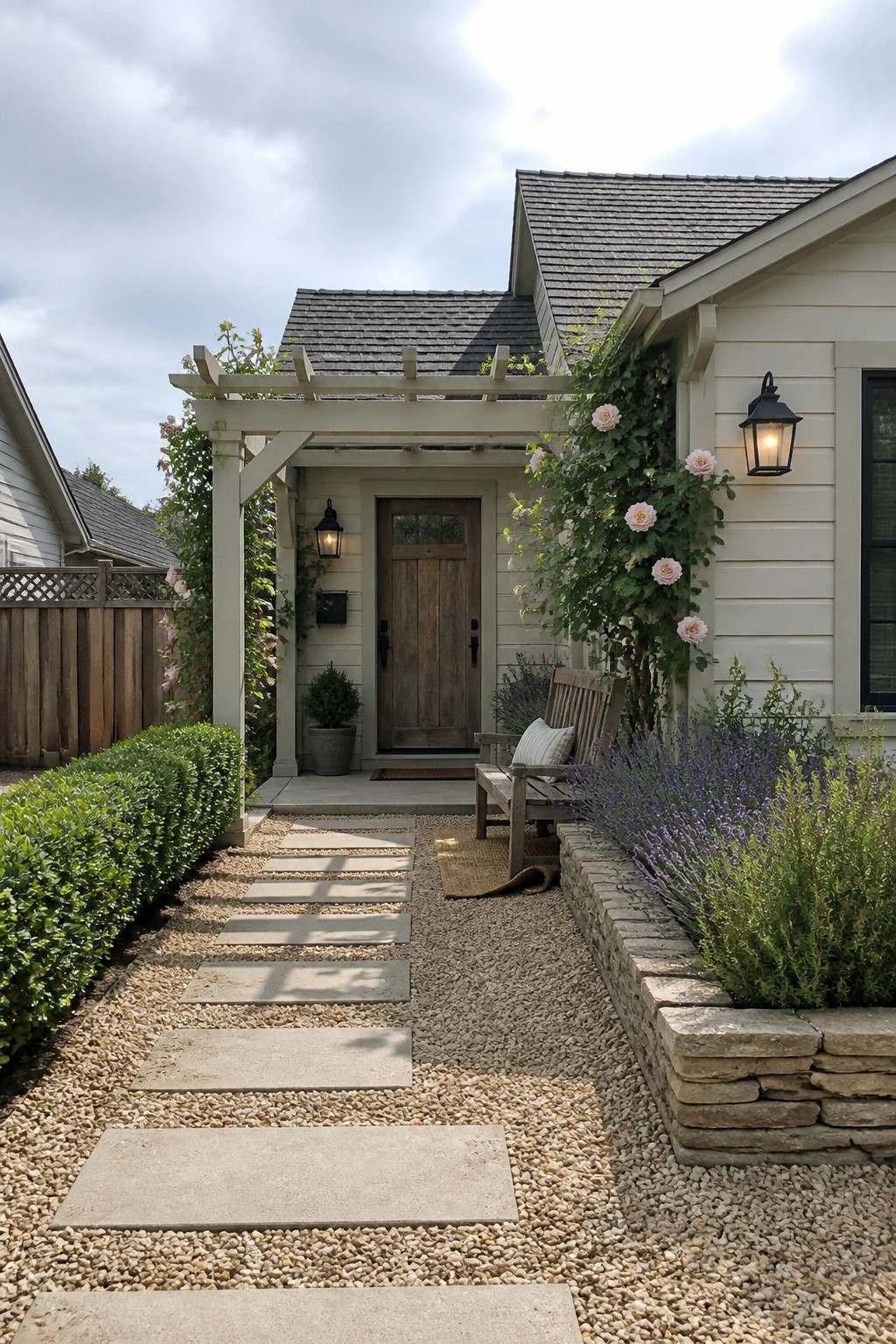
Gravel combined with flat stepping stones gives a front walk that feels relaxed but still holds up to daily use. The stones provide solid footing while the gravel handles drainage and keeps the whole thing from looking too formal or heavy.
This approach works well on smaller lots or homes that already have gravel elsewhere on the property. Keep the stones evenly spaced and use a low border to hold the gravel in place so the path stays neat over time.
Stone Edging For Gravel Driveways
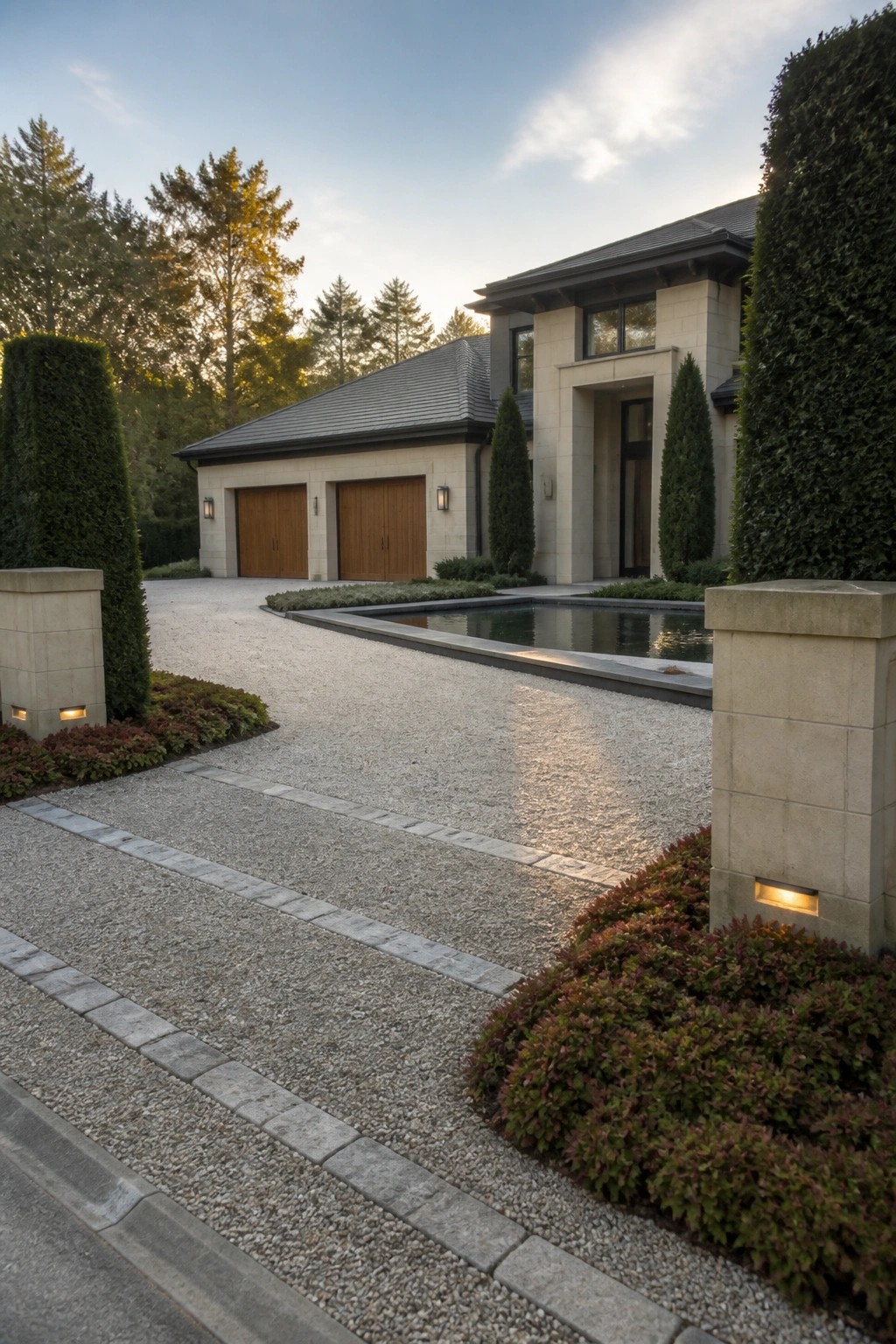
Gravel driveways often need a little structure so they do not spread over time. Stone pavers set along the edges create a firm border that holds the gravel in place and gives the surface a neat outline without making it feel too formal.
This approach works best on wider or slightly curved driveways where the gravel could otherwise drift into planting beds. It also makes it simpler to keep the edges trimmed and helps the material stay put after heavy rain.
Gravel Paths With Stepping Stones
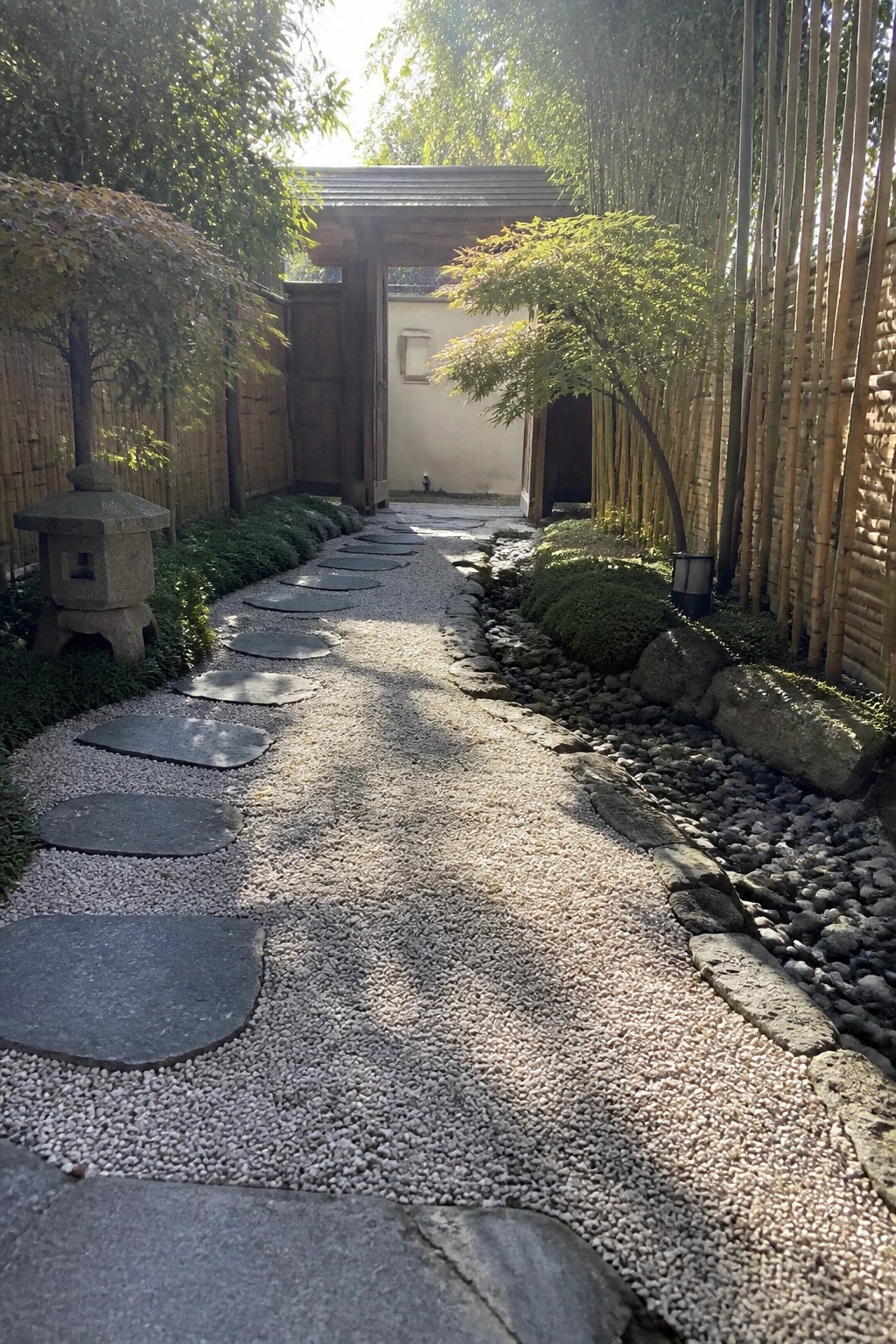
Gravel paths feel natural in a garden because they drain well and stay cooler than solid paving. Laying flat stones at intervals gives a clear route without making the whole surface hard.
This works best in side yards or larger lots where you want something simple that blends with plants. Keep the gravel layer deep enough so it does not scatter onto nearby beds.
Stone Edging Keeps Gravel Driveways Tidy
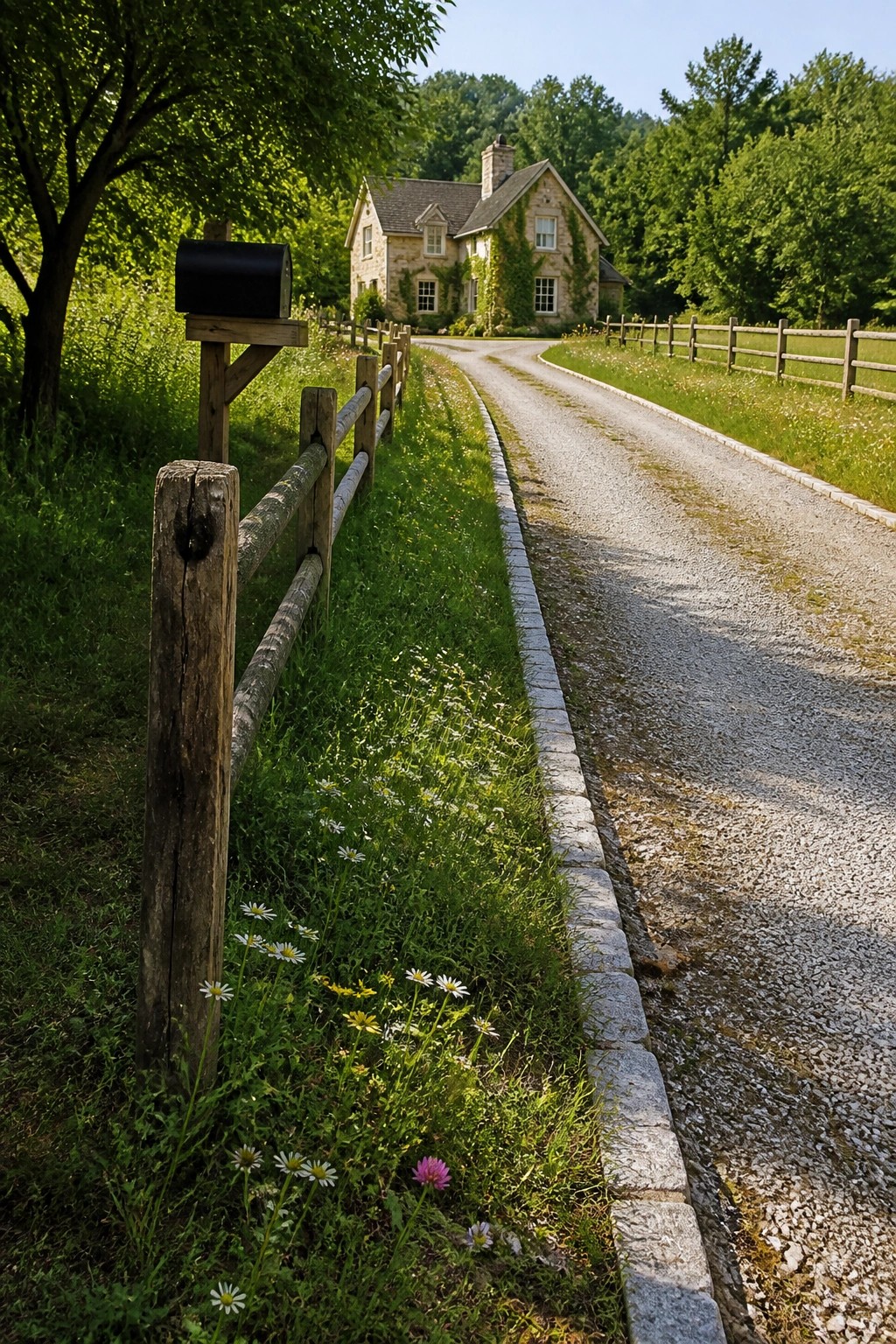
Stone edging gives a gravel driveway a finished look and stops the stones from scattering into the grass. It creates a clear line that feels simple and practical at the same time.
This approach works best on homes with open yards or light landscaping where you want the driveway to blend in rather than stand out. Lay the stones low and let nearby plants grow right up to the edge.
Edge a Gravel Driveway with Raised Planters
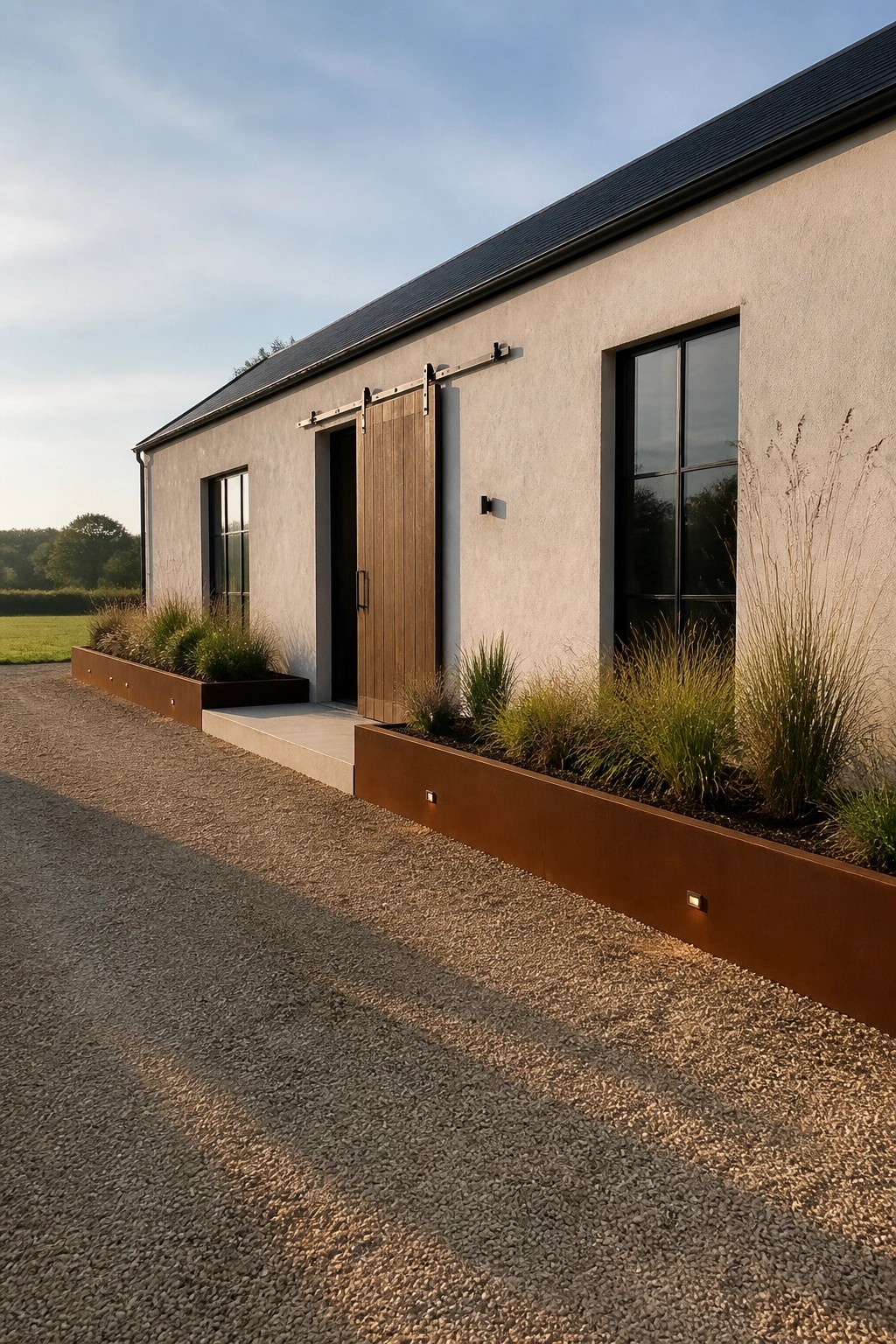
Gravel driveways can look a bit loose on their own. Adding a long raised planter along one side gives the surface a clear edge and brings in planting without taking up extra room. The metal sides keep the gravel contained while the grasses and perennials add height and movement right where you enter the property.
This works best on homes with a simple facade where you want the driveway to feel intentional rather than just a path to the door. Keep the planters low enough to step over if needed and choose a material that weathers well with the gravel. It suits both modern and farmhouse styles as long as the beds stay narrow and the planting stays soft.
Gravel Driveways With Lit Stone Steps
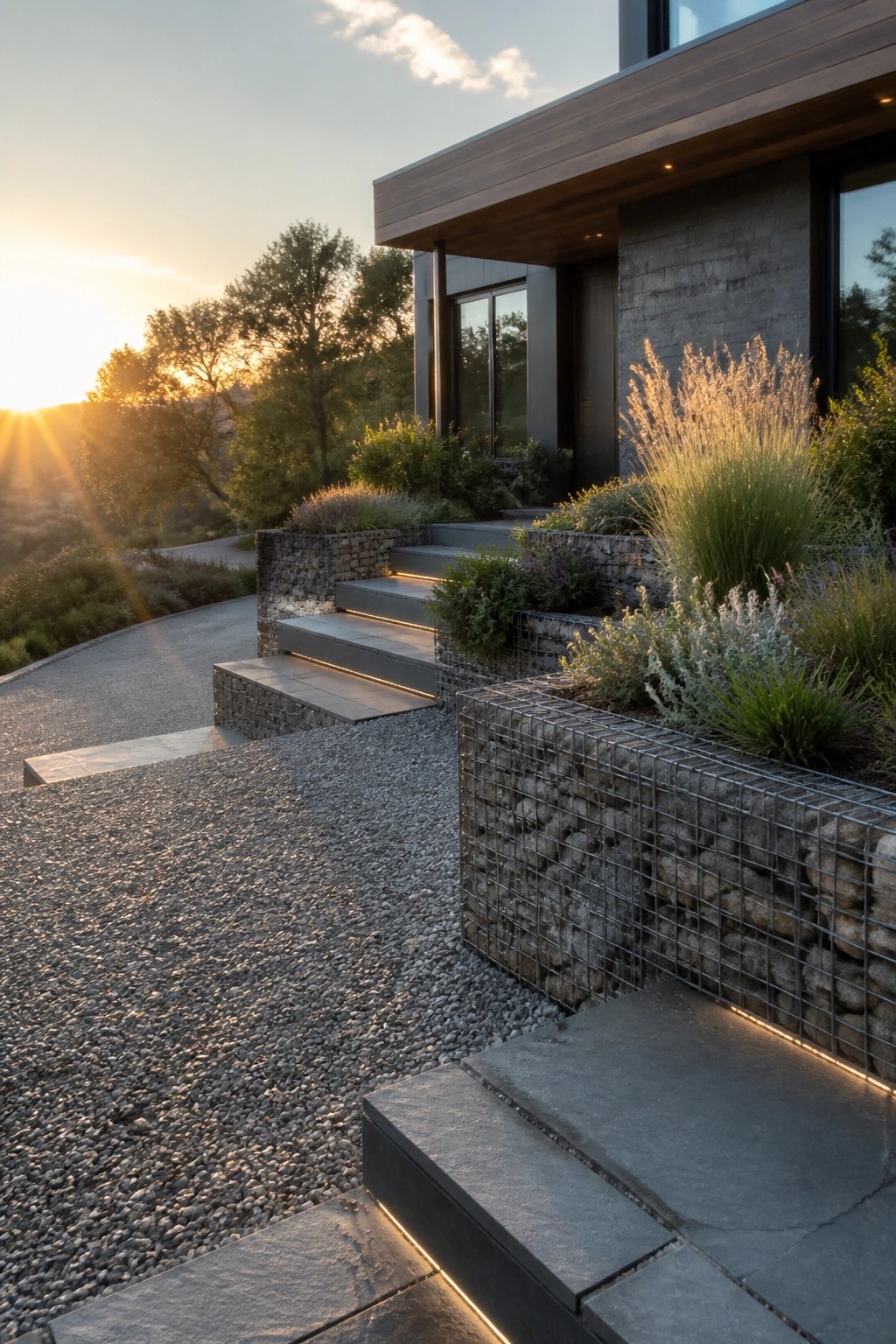
Gravel handles drainage well on sloped sites and keeps the surface from feeling too hard or formal. Adding low lighting along the edges of nearby stone steps makes the transition from driveway to house safer and more welcoming once the sun goes down.
This approach works best on homes with gentle elevation changes where you need clear paths without adding long runs of pavement. Use a solid base under the gravel so it stays level under tires, and keep the step lights simple and warm so they guide without overpowering the surroundings.
Gravel With Stepping Stones
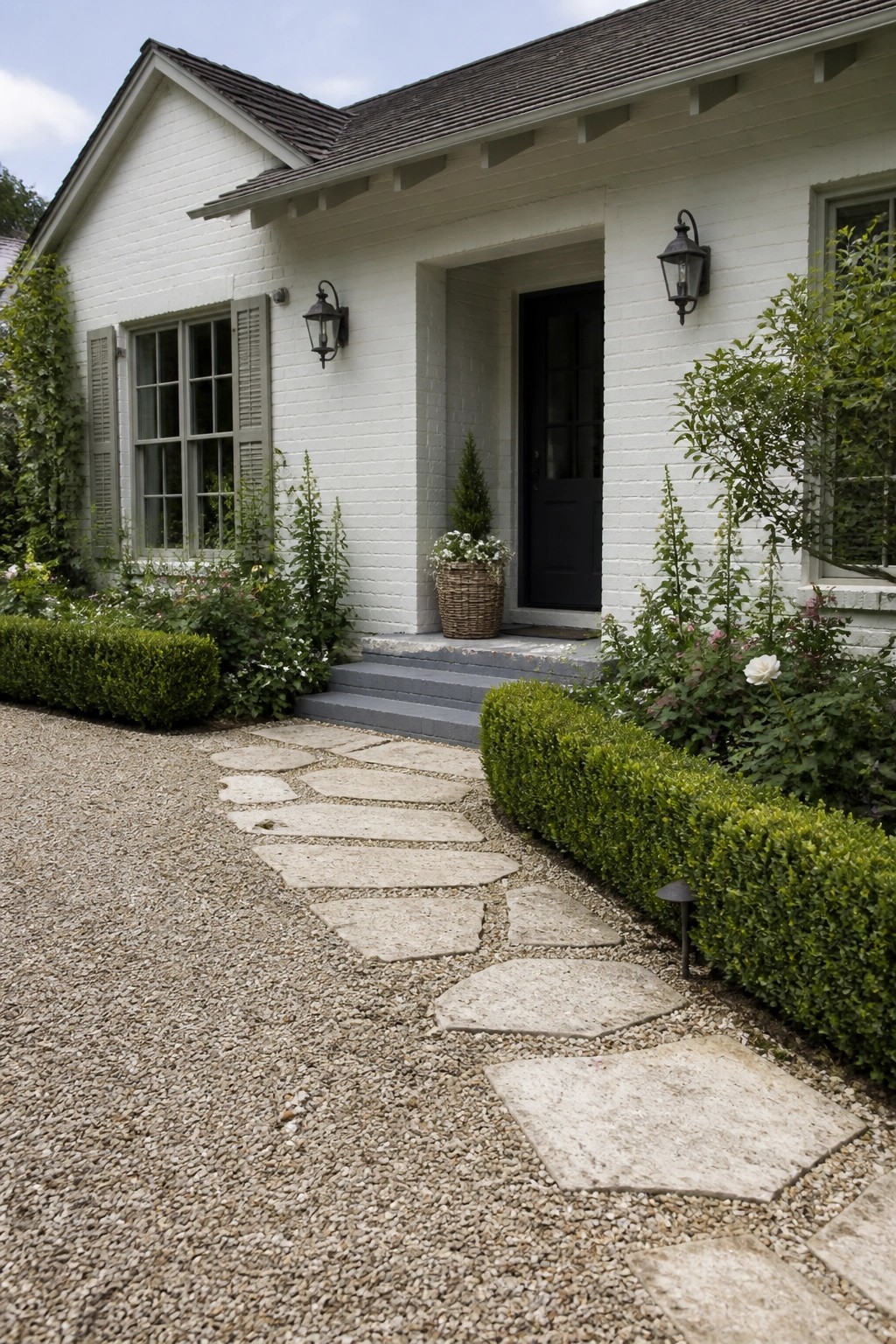
Gravel alone can feel a bit plain, so many people add a few large stepping stones to create a clear path up to the door. The mix keeps the surface practical for cars while giving the eye something solid to follow on foot.
This works especially well on smaller lots or in front of cottages and older homes. Just set the stones level with the gravel so they do not shift or create a tripping hazard.
Stepping Stones In Gravel
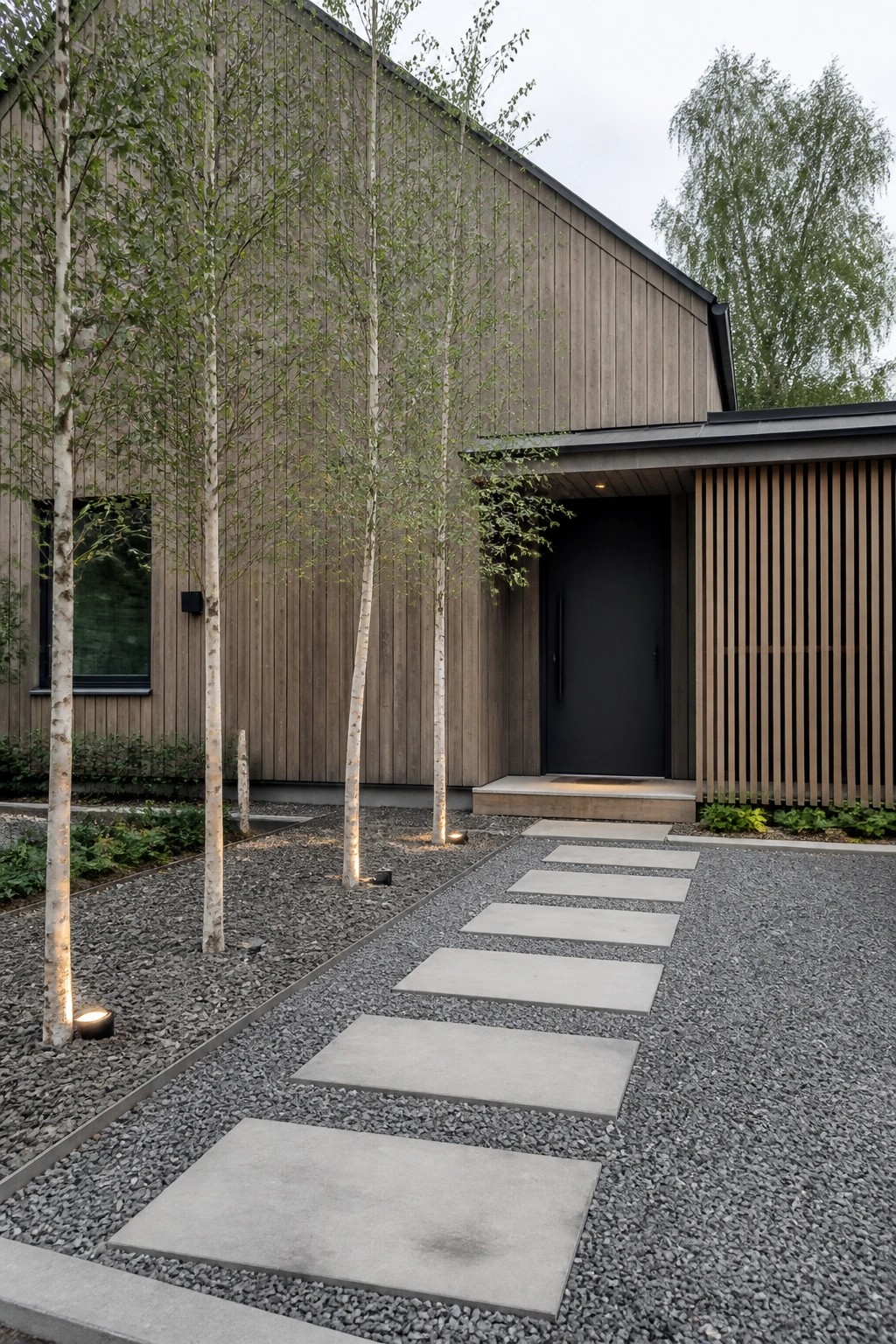
Many people like stepping stones set into gravel because the combination feels practical and keeps the surface from looking too heavy. The stones create a clear path while the gravel handles drainage and gives the whole area a softer look than solid paving.
This works especially well on homes with a modern or simple exterior where you want a defined walkway without covering the entire drive. Make sure the stones are large enough to step on comfortably and space them evenly so the path feels natural underfoot.
Mix Gravel With Brick Pavers
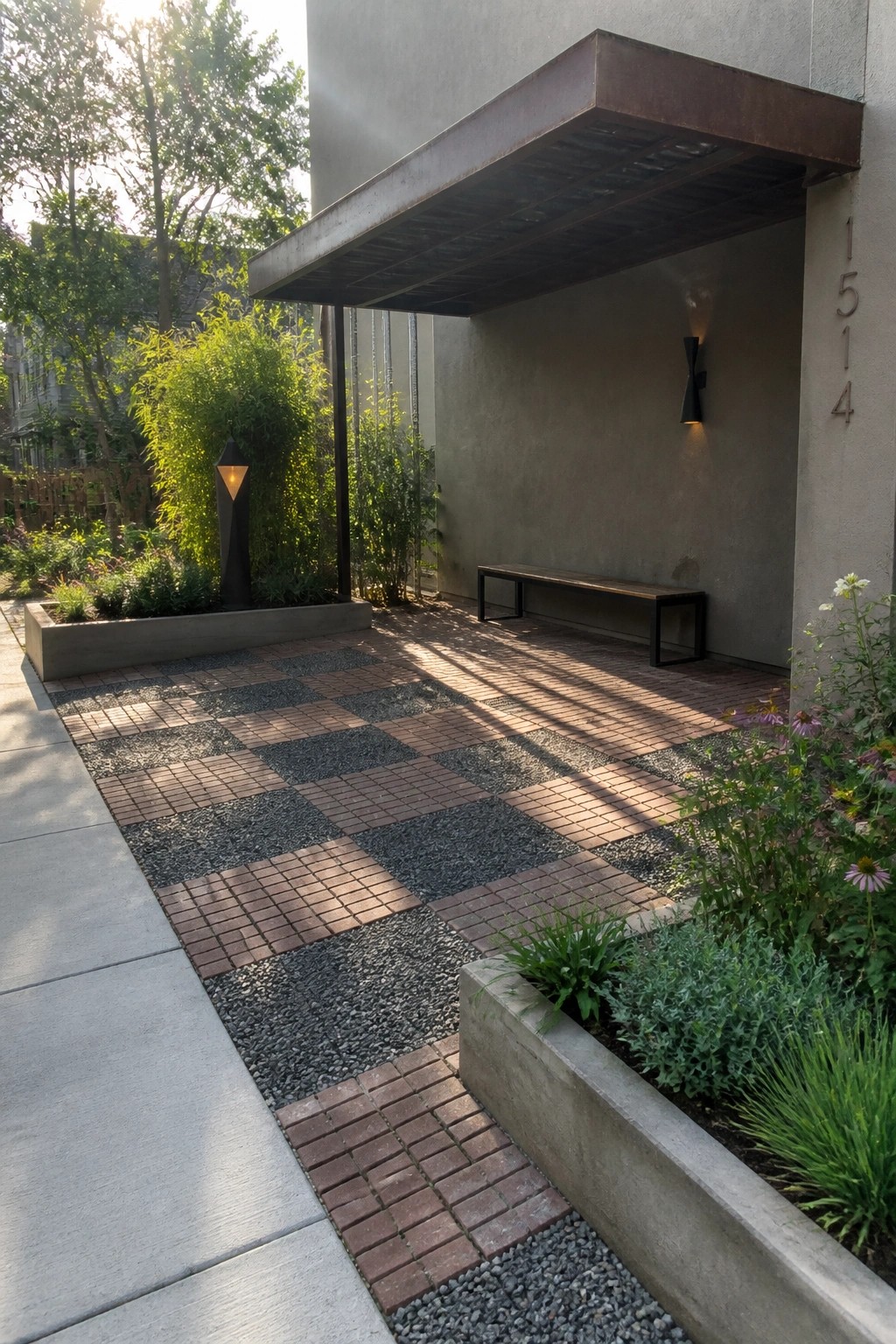
A simple way to add interest to a gravel driveway is to lay in sections of brick pavers. The pattern breaks up the surface, gives it some structure, and still keeps the loose gravel look that feels casual and low key.
This works best on a front entry or side path where you want a bit more definition than plain gravel. It suits older homes or any place where you already have brick details on the house, and it stays practical since the gravel handles drainage while the pavers give a solid walking surface.
Gravel Paths With Curved Edges
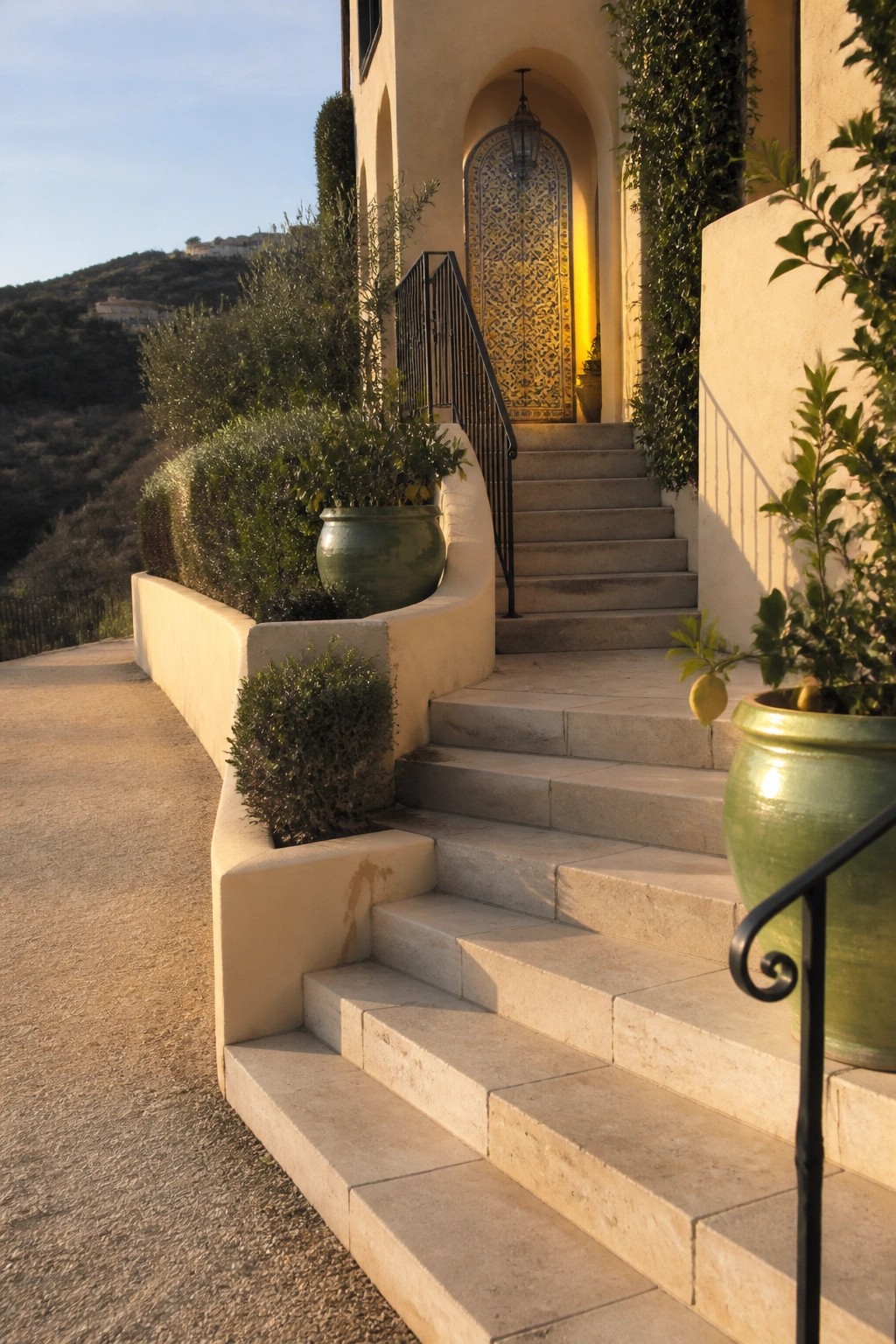
Gravel works well when it follows the shape of the land instead of cutting straight across. A gentle curve lets the path feel like it belongs and keeps the whole entry from looking stiff or forced.
This layout suits homes on slopes or lots with natural dips. Use low walls to hold the beds in place and let shrubs spill over the edges a bit. Just make sure the gravel layer stays thick enough for regular use.
Gravel Driveways That Suit Stone Homes
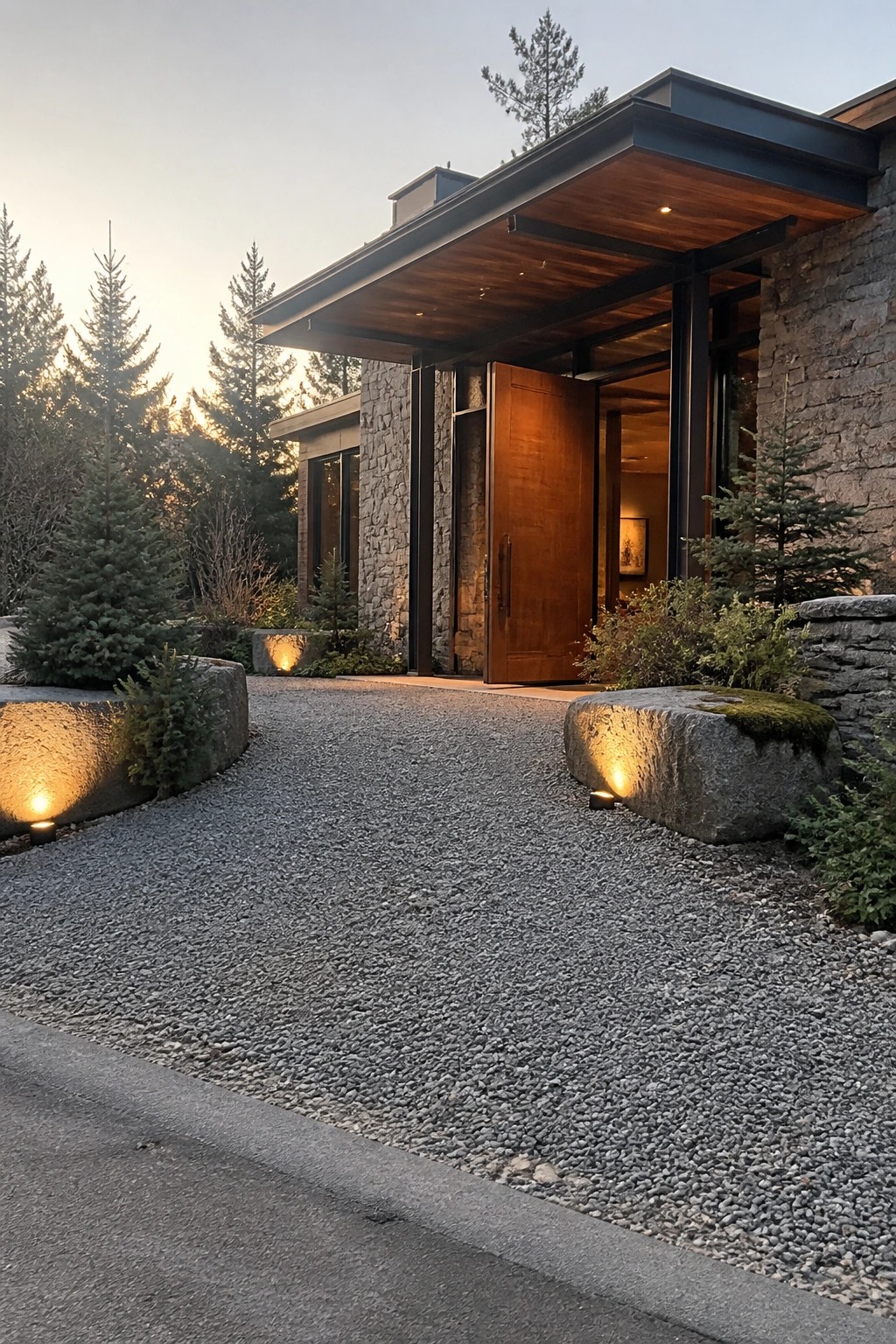
Gravel works well here because it keeps the approach feeling soft and natural instead of stiff. The loose stones curve toward the door and sit low against the stone borders, so the whole entry stays relaxed.
This style fits homes that already lean on natural materials like wood and stone. It helps if you keep the gravel contained with solid edging so it does not scatter onto the street or nearby planting beds.
Gravel Driveways With Paver Strips
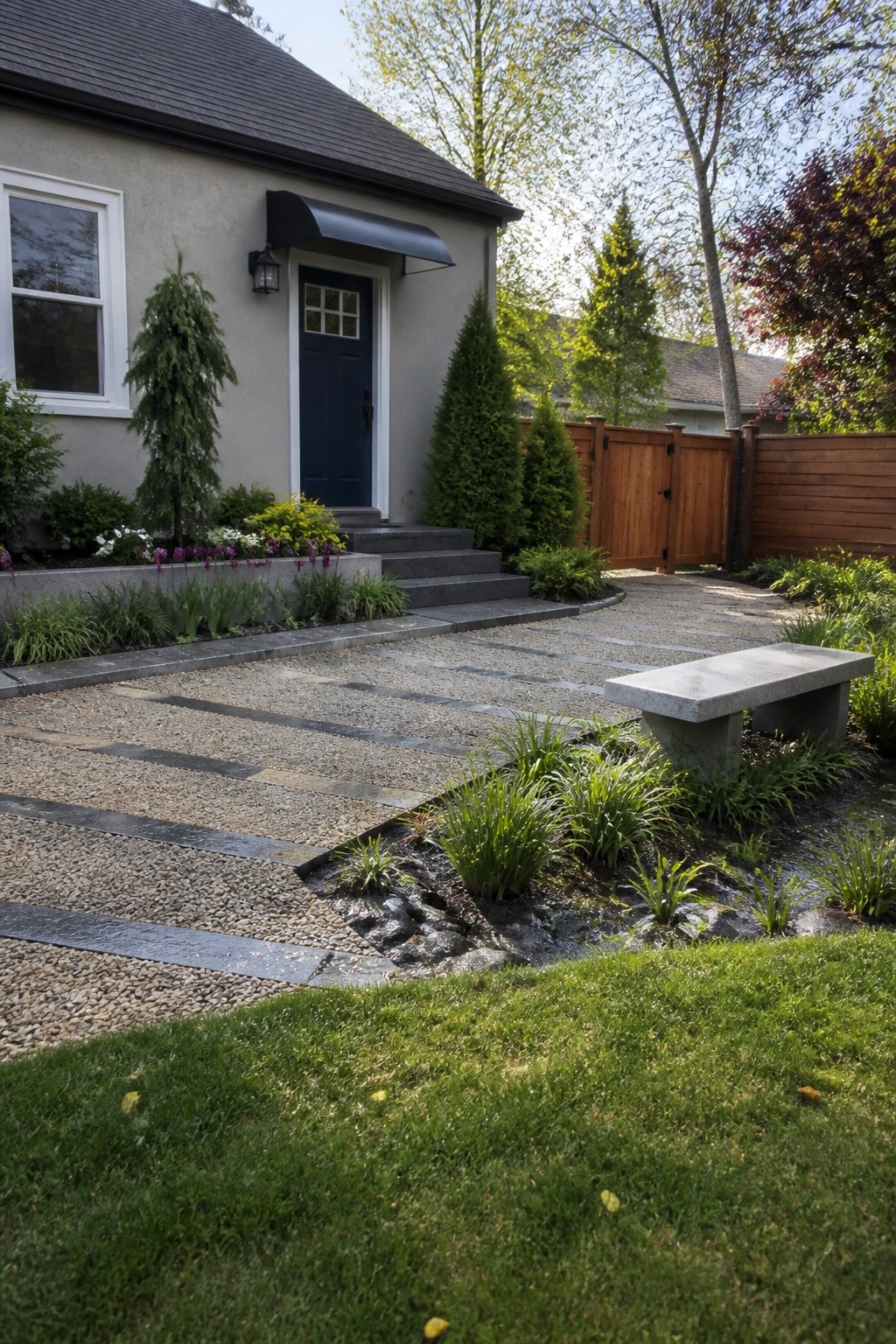
Gravel driveways often look better when they have some structure. Running strips of pavers through the gravel keeps the surface firm underfoot and stops the material from shifting too much over time.
This works best on homes where the driveway sits right next to garden beds. The strips create clear lines that tie the hard surface to the planting without making the whole area feel too paved. Just keep the pavers level with the gravel so water can still drain through.
Stone Edging Defines Gravel Driveways

Stone edging gives a gravel driveway a finished edge without making it feel too formal. The low blocks hold the gravel in place and create a clear separation between the drive and the planting beds right beside it. This keeps the surface looking tidy even after rain or heavy use.
It works especially well on homes with a relaxed or coastal feel where you want the landscape to flow naturally up to the drive. Match the stone color to your house or local rock so it blends in. Keep the edging low enough that plants can spill over the edge without blocking the path.
Add Linear Drains to Gravel Driveways
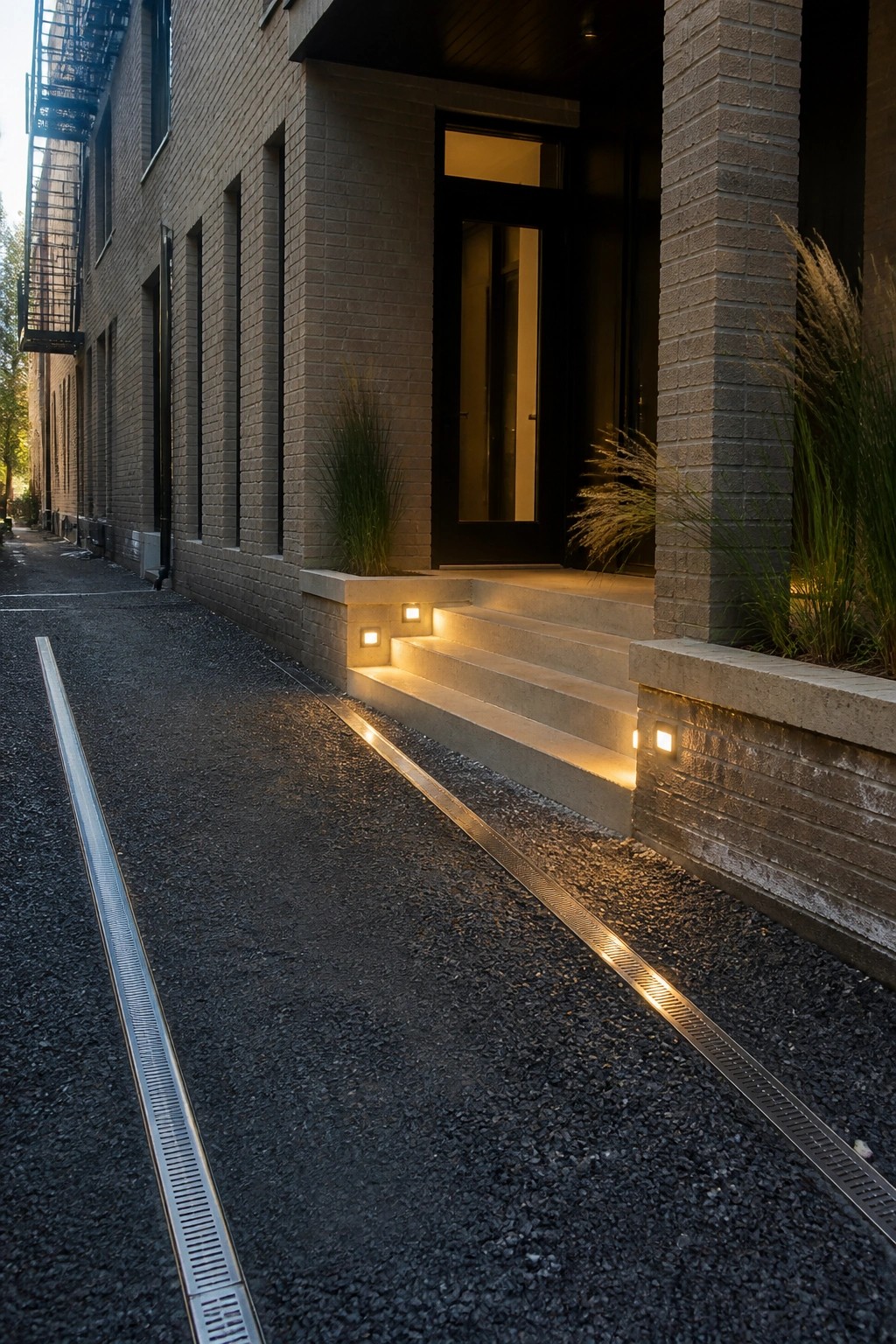
Gravel driveways look simple but can turn into a mess when water has nowhere to go. Linear drainage grates set into the gravel keep runoff moving and stop the surface from washing out or developing ruts.
They work best on long runs or sloped approaches where water tends to collect. Set the grates flush with the gravel so tires and feet pass over them without catching, and pair them with low path lights if the driveway leads to an entry.
Frequently Asked Questions
Q: How do I stop gravel from washing out after a big rain? A: Start with a solid base of crushed rock before you add the top layer. Then run edging along both sides to hold the stones in place. Most people find this keeps the surface looking even without constant fixes.
Q: What gravel size holds up best when cars drive over it every day? A: Pick stones about three quarters of an inch across. They lock together tighter and cut down on ruts. You will also track less into the garage.
Q: Can I just pour new gravel over my old driveway without digging first? A: Clean off any loose dirt or weeds first. Then spread a fresh layer about three inches deep. This usually gives a fresh look without a full redo.
