

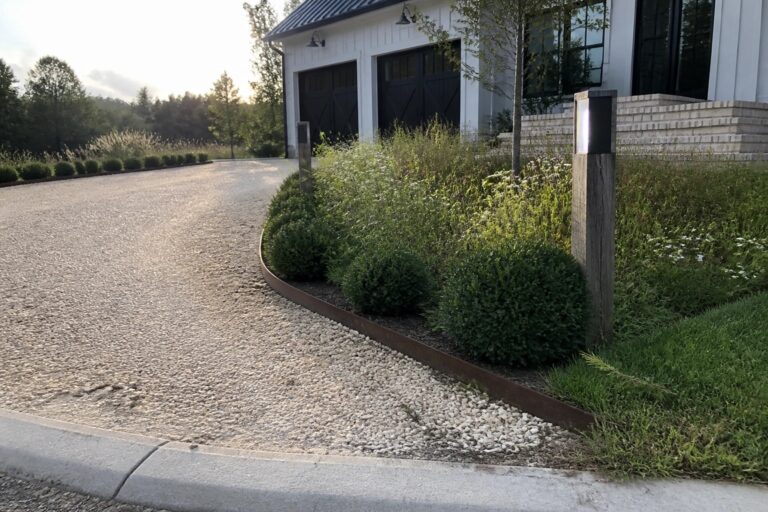
When I look at my driveway each season I can see how the edges start to blur without something firm to keep the gravel in place and the surrounding plants from spilling over.
A good border does more than just look neat because it also helps with drainage and makes mowing or weeding around the sides much easier in the long run.
I’ve found that materials like stone, metal, or even certain woods can hold up differently depending on the climate and how much the driveway gets used.
Testing a few samples first saves headaches later.
In the end the choices that blend with the rest of the yard tend to feel the most natural once everything settles in.
Metal Edging Keeps Gravel Driveways Neat

Metal edging works well along gravel because it holds the stones in place without looking heavy. A thin strip of steel or aluminum can follow a curve easily and still give the edge a straight, finished line that lasts for years.
This style fits homes where the driveway runs right up against planting beds. It keeps the gravel from spilling into the soil and makes mowing or weeding along the edge much simpler. Just make sure the top of the edging sits slightly above the gravel so it stays visible over time.
Stone Edging Keeps Gravel Driveways Neat

Gravel driveways can look loose and messy where they meet the grass. A simple row of flat stones creates a firm line that holds everything in place and stops the gravel from drifting.
This works best on homes with gentle curves and low plantings, since the stones echo the natural tones without adding fuss. Lay them level with the ground so mowing stays easy and water drains properly.
Concrete Curbs for Clean Gravel Edges

A simple concrete curb along a gravel driveway creates a clear line that keeps everything in place. It stops the stones from drifting into the grass and gives the whole approach a finished look without adding much visual weight.
This approach works best on homes with modern or minimal landscaping where you want low upkeep. Set the curb height so cars can pass over it easily and the mower can run along the edge without extra trimming.
Wood Beam Borders for Gravel Driveways

Old wooden beams make a straightforward border that holds gravel in place and gives the edge a settled look. They sit low enough to stay practical while adding some structure along the length of the drive.
This approach suits homes with a more natural or rural setting. Lay the beams on a bed of smaller stones so they stay level, and treat the wood first if you want it to hold up over time.
Brick Edging for Gravel Driveways

A brick border gives a gravel driveway a finished edge that holds the stones in place and stops them from spilling onto the lawn. It creates a clear line that looks intentional without needing a lot of extra work or fancy materials.
This approach works well on properties where the driveway curves or meets grass, since the bricks follow the shape easily. It suits older homes or traditional settings where a simple, low material contrast feels right. Just make sure the bricks sit on a solid base so they stay level over time.
Stone Borders That Hold Gravel In Place

A low stacked stone wall creates a clean edge that keeps gravel from spreading into planting beds. It also gives the driveway a more finished look and helps manage slight slopes without needing a full retaining structure.
This border works best on homes with Mediterranean or Spanish influences where the stone matches the architecture. It pairs especially well with low water plants that can spill over the edge a little without looking messy.
Brick Edging Keeps Gravel Paths Tidy
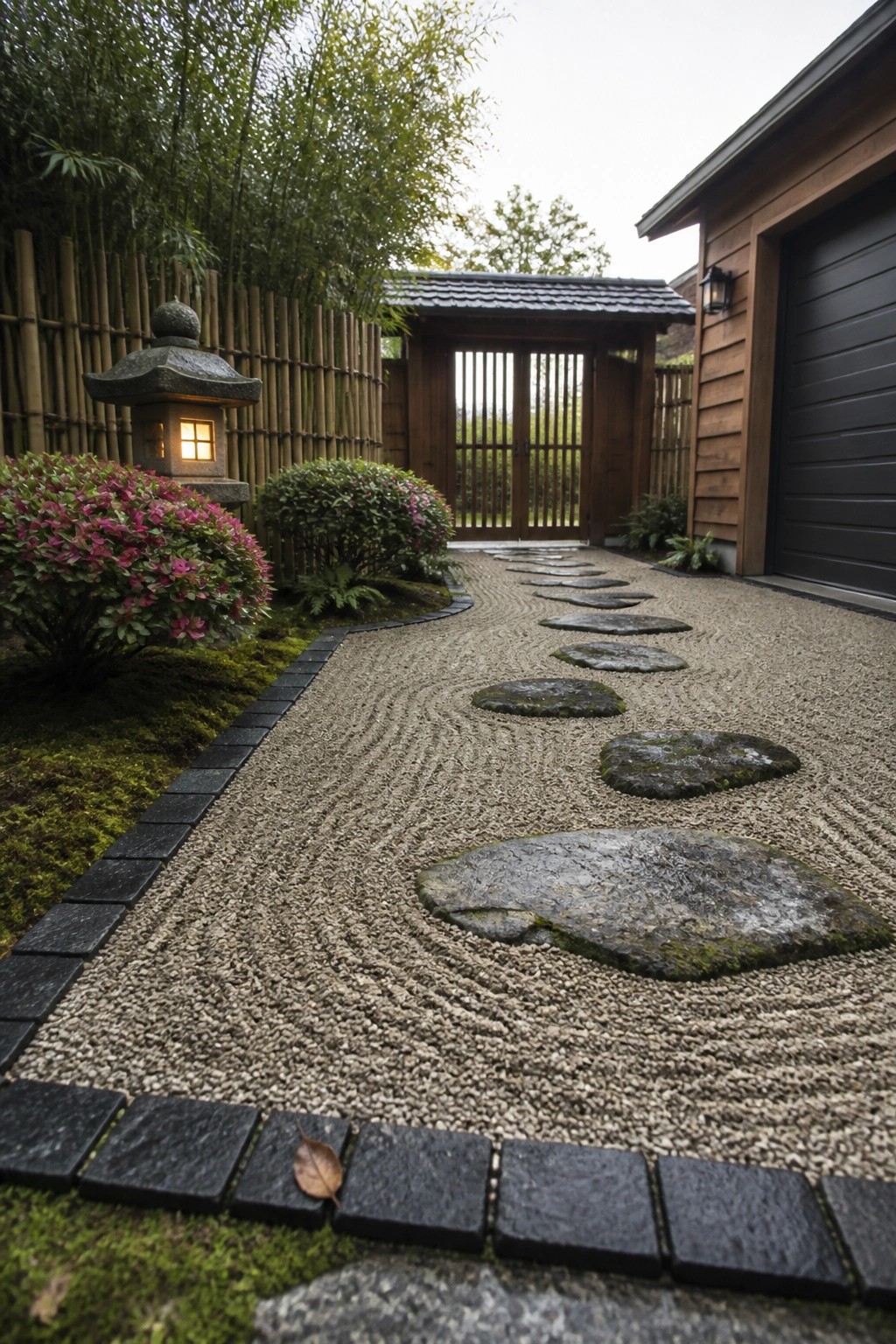
A simple row of dark bricks or pavers along the side of a gravel path stops the stones from creeping into the grass or planting beds. It gives the whole area a finished line without adding much cost or fuss.
This approach works best on smaller driveways or side paths where you want a clear separation but still like the loose look of gravel. Set the bricks slightly below the surface so mowing stays easy and the edge stays straight over time.
Border Gravel Driveways With Stones
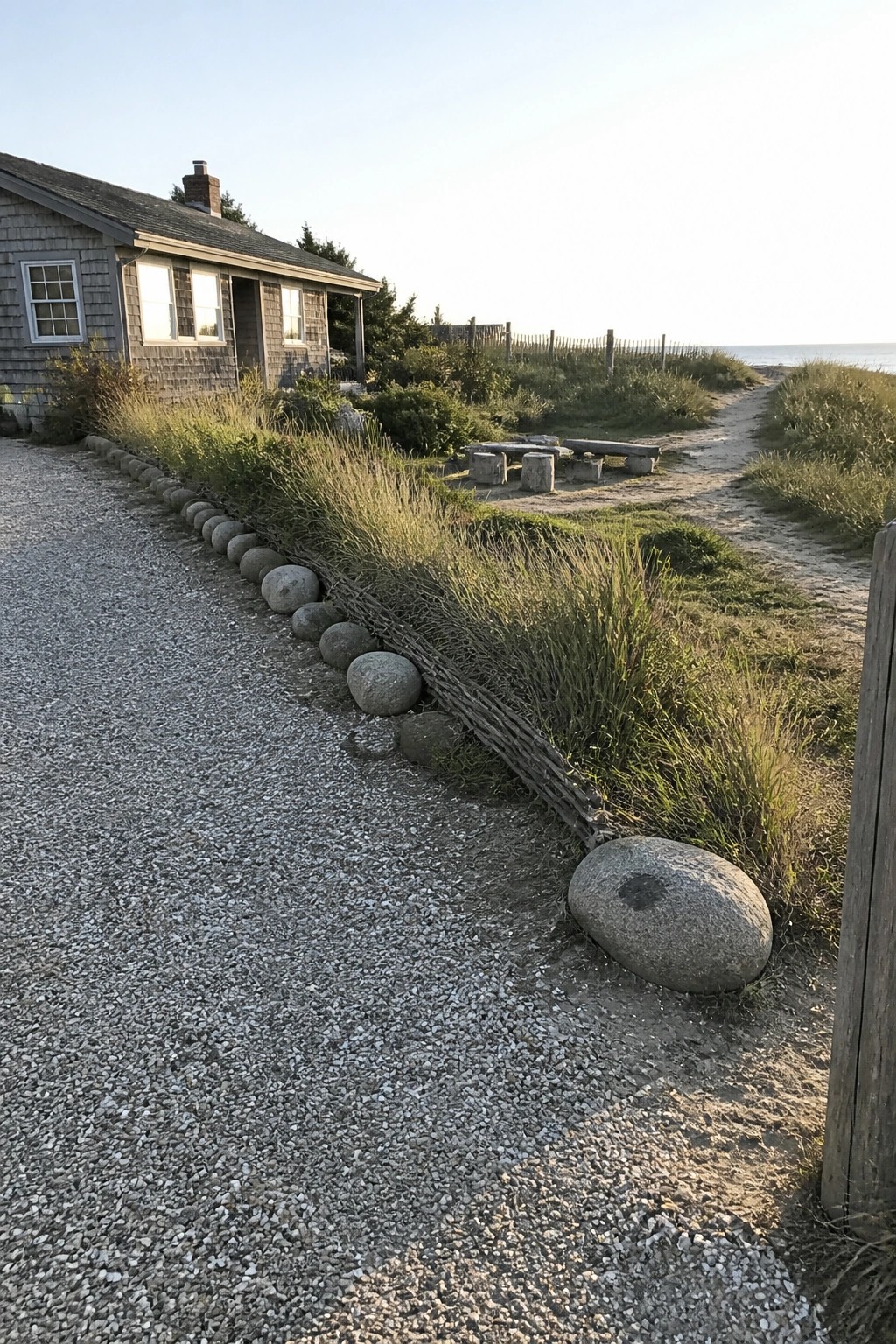
A simple way to give a gravel driveway a clean edge is to place a row of large rounded stones along the side. This keeps the gravel from spreading into grass or garden areas and gives the whole thing a settled look without much extra work.
It suits homes with natural surroundings or open yards where you want the border to feel like part of the landscape. Adding a few sections of woven branches can help hold the stones in place where the ground slopes or gets more traffic.
Raised Planters Keep Gravel Edges Clean
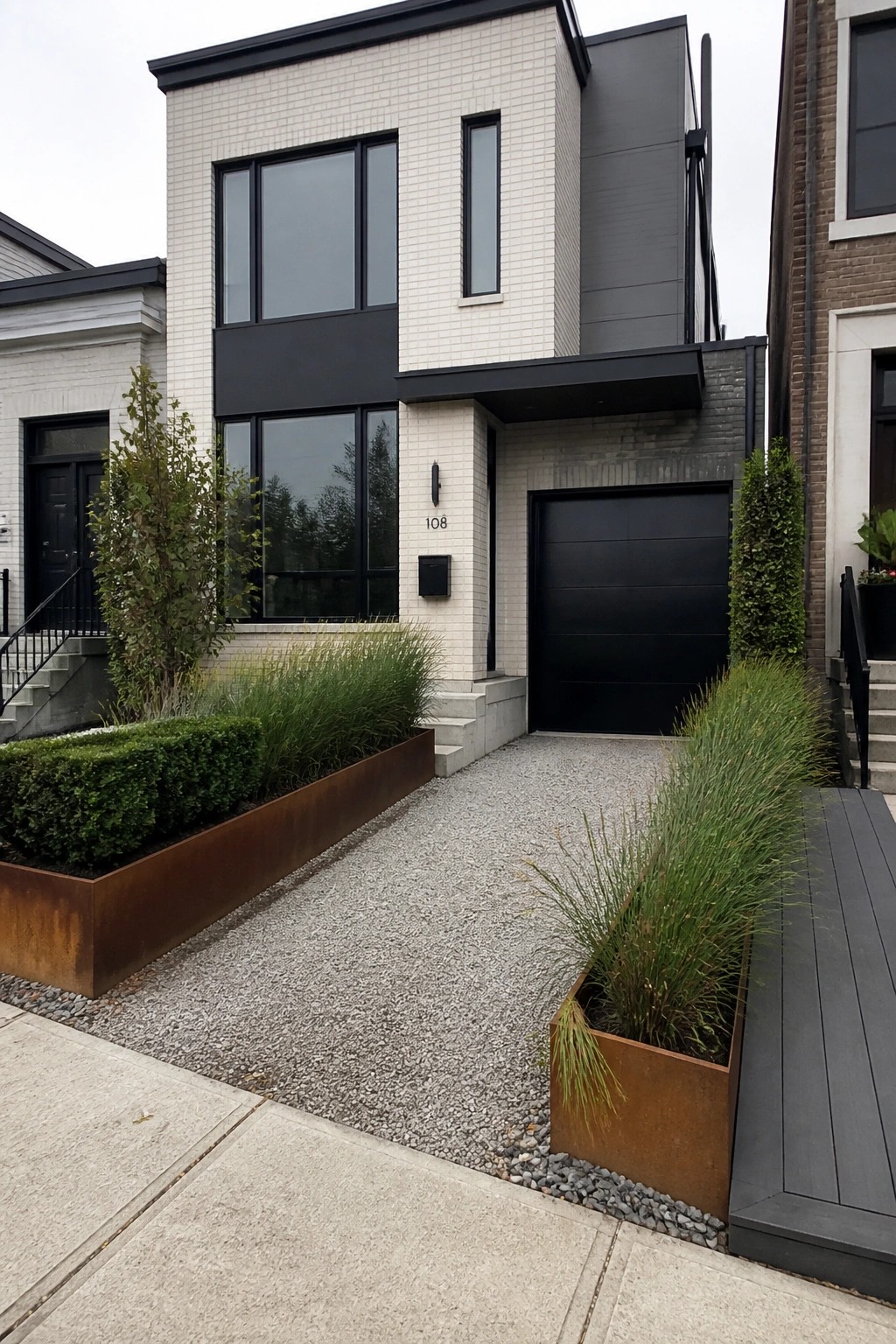
Raised metal planters make a simple way to hold a gravel driveway in place. They stop the stones from spreading into planting areas or the sidewalk while giving the edge a sharp, finished look that needs little upkeep.
This approach suits homes with modern or minimalist exteriors. Set the planters where the gravel meets the house or path, fill them with low grasses or shrubs, and the metal will weather to a warm tone that blends with most surroundings.
Stacked Stone Edging Holds Gravel in Place

Stacked stone creates a firm, visible line that keeps gravel from spreading into planting beds. It gives the driveway a finished look while still feeling natural next to trees and shrubs.
This border works best on properties with gentle slopes or wooded settings. Set the stones low enough for easy mowing and let a few plants or moss soften the top edge over time.
Define Gravel Edges With A Cobblestone Border

A cobblestone border gives a gravel driveway a neat, finished edge that actually stays in place. The low stones keep the loose gravel from drifting into the beds while still letting water drain through.
This kind of edging suits older homes and properties with curved driveways. It pairs well with garden beds planted right up to the line, and the material holds up without needing constant repairs.
Use a Concrete Curb to Keep Gravel in Place
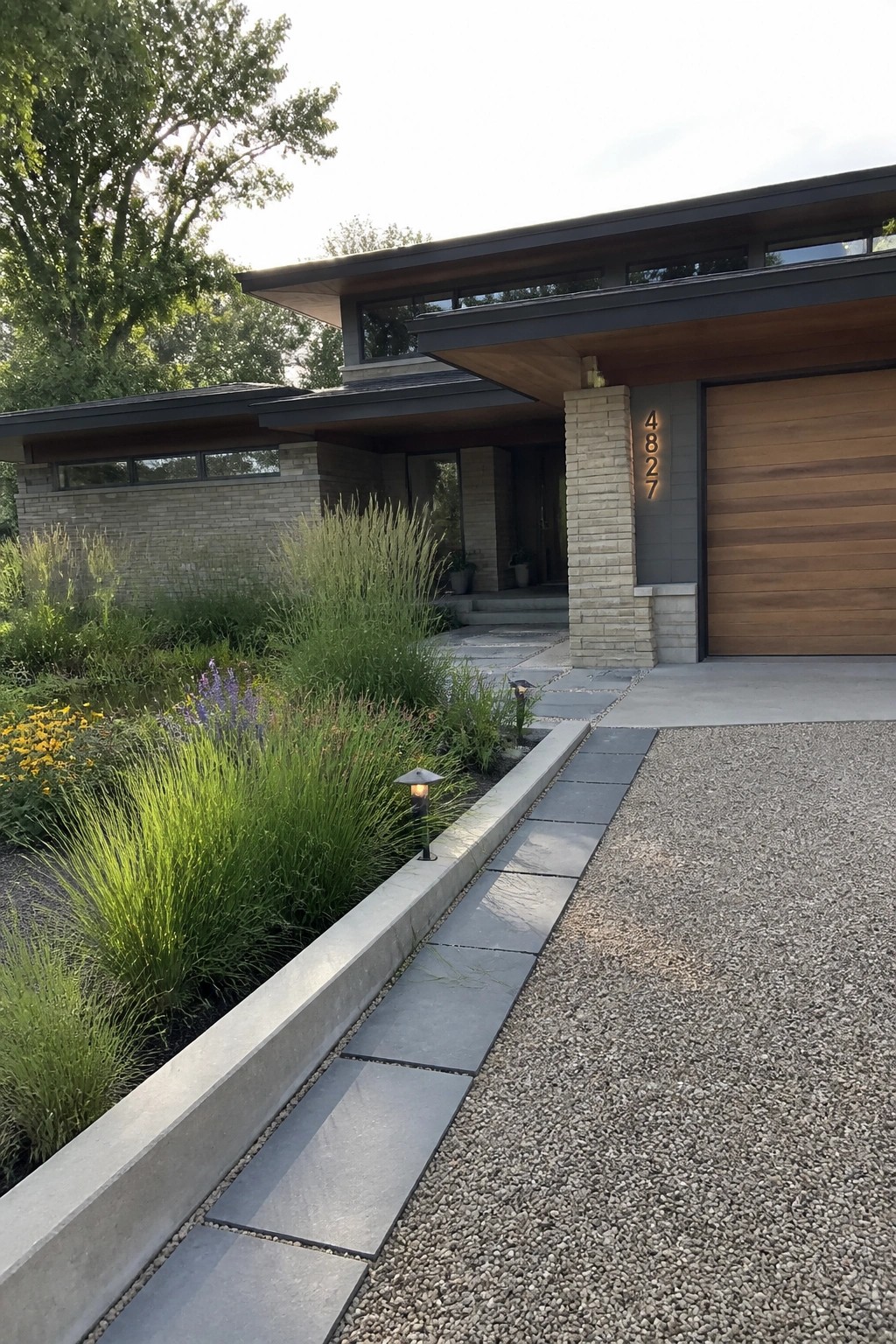
A low concrete curb creates a simple, lasting border that stops gravel from drifting into garden beds. It gives the driveway a tidy line without needing constant raking or extra edging materials.
This approach works best on homes where the driveway runs close to planting areas. Make the curb a few inches high so it contains the stones while still letting water drain across the surface.
Low Stone Edging Holds Gravel In Place
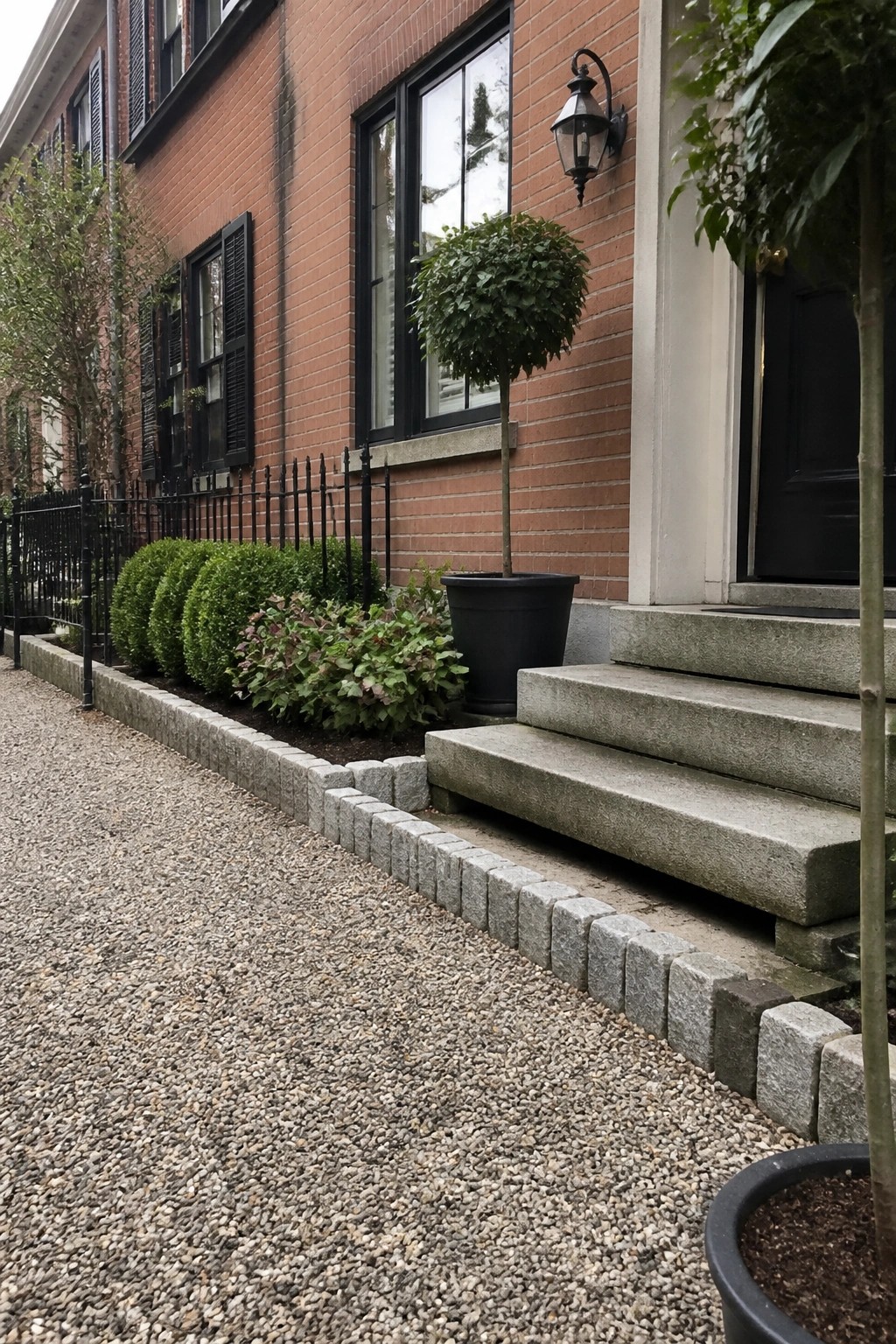
A low stone border gives gravel a firm edge so it stays where it belongs instead of spreading into beds or across the path. The blocks sit just above ground level and follow the curve of the walkway without looking heavy.
This approach works best along the side of a house or in front of a planting bed where you want a tidy line without adding height. Make sure the stones sit level and rest on a solid base so they do not shift over time.
Stone Slabs For Crisp Gravel Edges
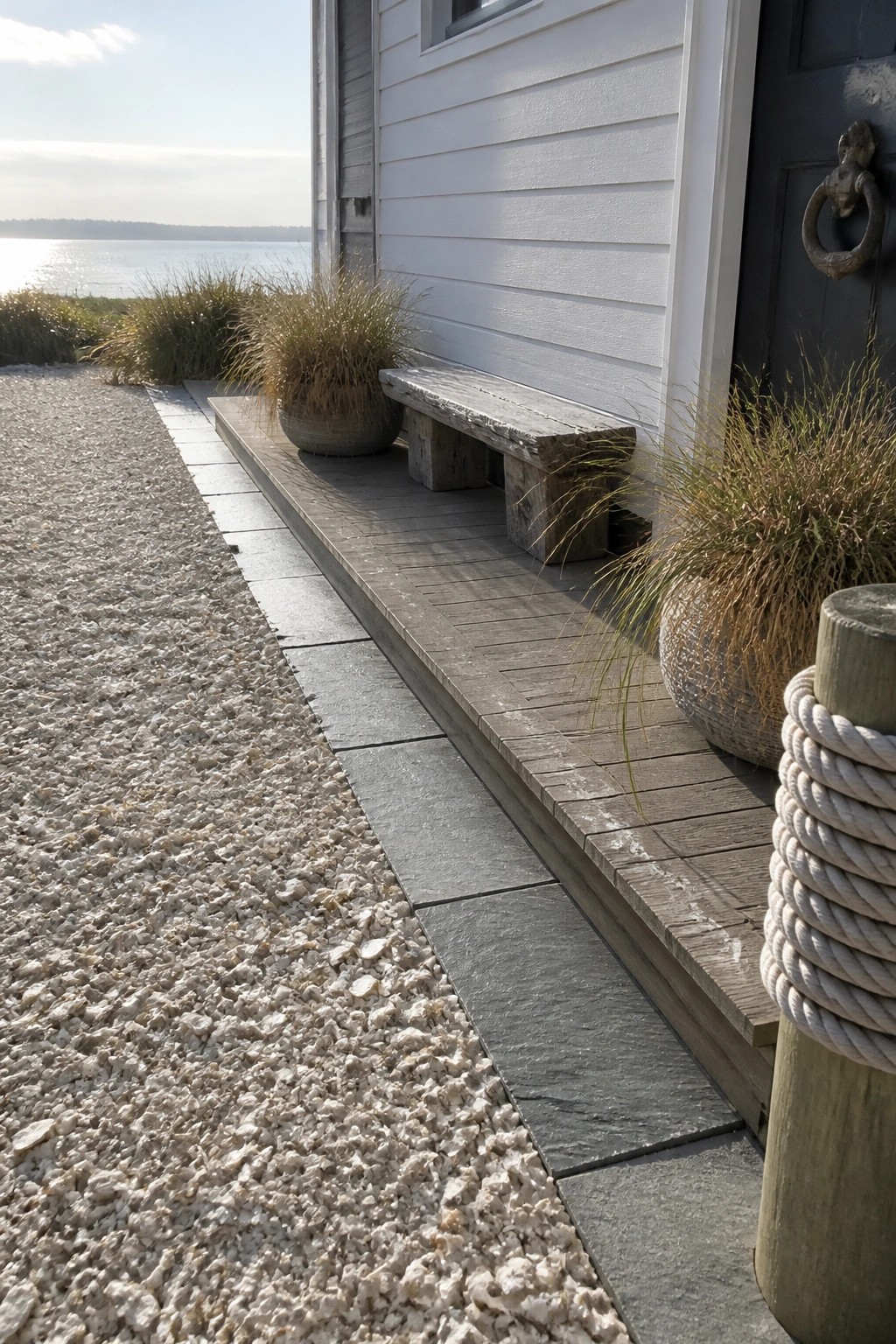
Stone slabs work well as a border because they give gravel a firm stop without needing extra framing. The flat gray pieces sit right at the change in level, so the gravel stays put and the edge looks intentional rather than ragged. This setup also handles foot traffic better than loose stones alone.
It suits homes with a deck or walkway that meets a gravel drive or path. Lay the slabs level with the gravel surface and keep the line straight or gently curved depending on the space. The only real thing to watch is making sure the slabs are thick enough to stay stable over time.
Brick Edging Defines Gravel Areas
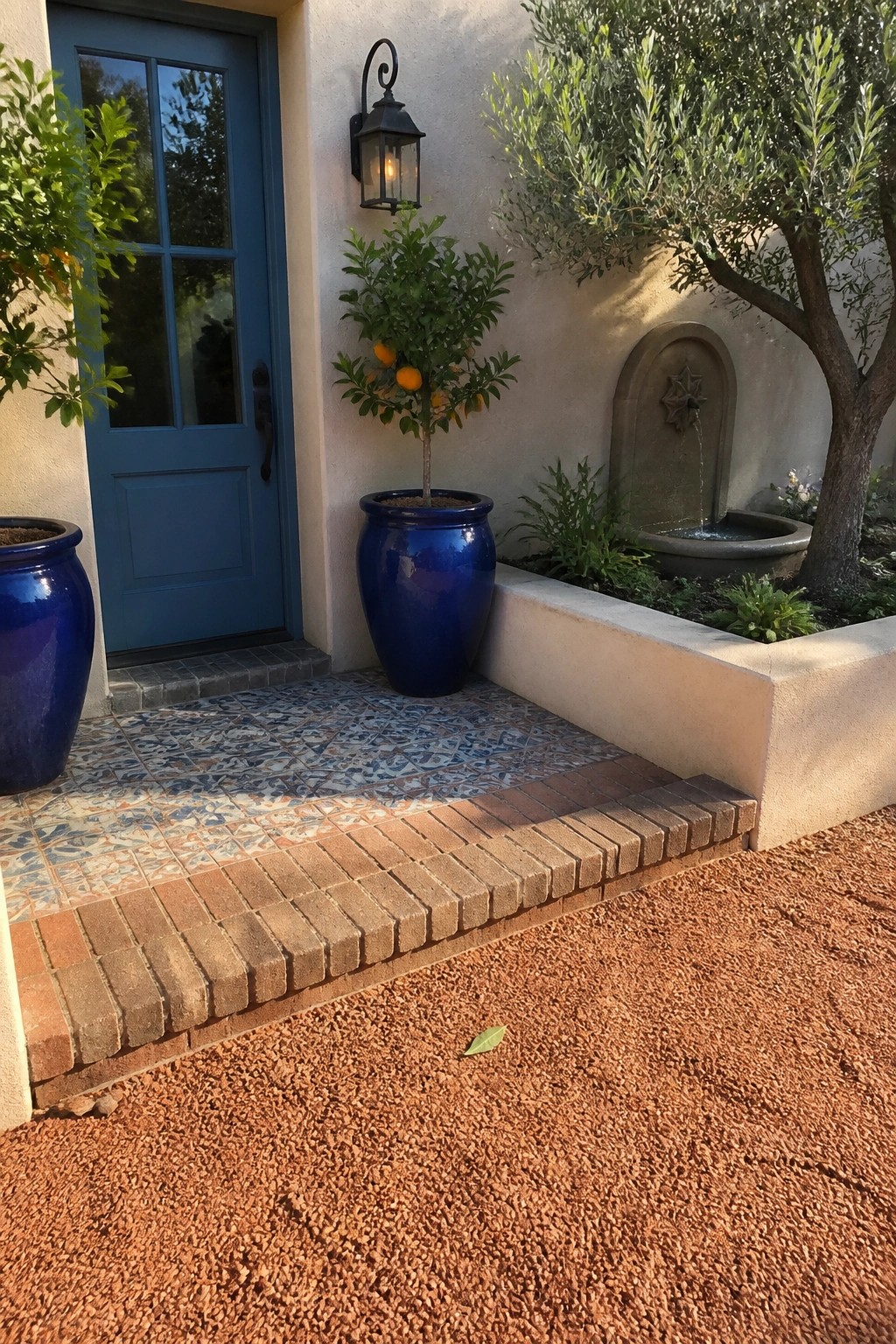
A low brick border gives gravel a clear stopping point so it stays put instead of spilling onto paths or planting beds. The edge looks intentional and keeps the surface looking tidy without extra maintenance.
This works well on homes where the driveway or side yard meets a paved entry or courtyard. Just set the bricks level with the gravel and let them follow the natural line of the space.
Metal Edging Keeps Gravel From Spreading
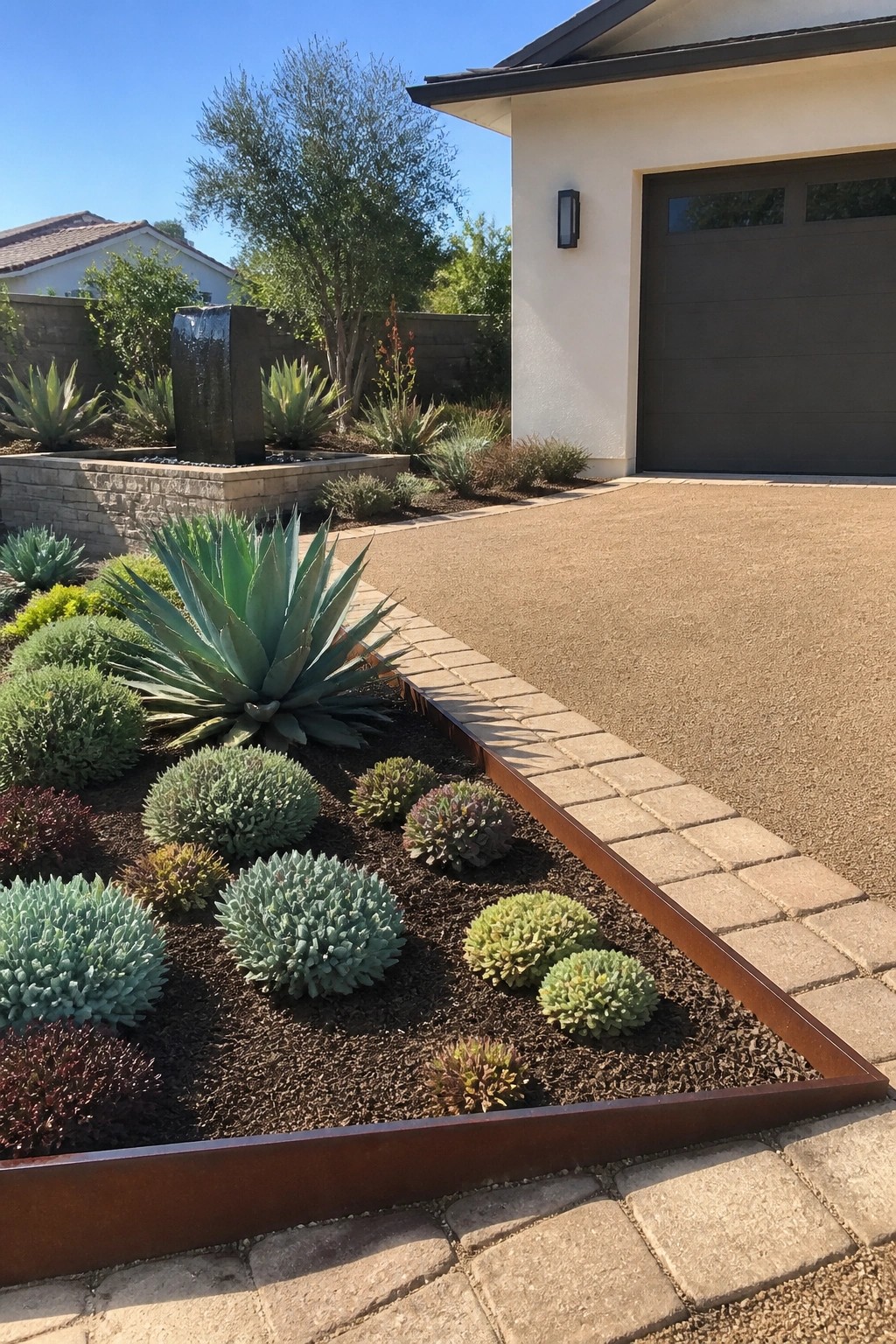
Metal edging gives a gravel driveway a firm, straight line that holds the surface in place. It prevents the stones from drifting into the garden bed and makes the whole edge look intentional instead of messy.
This works best on homes where the driveway runs directly beside planting beds. Use a thicker gauge so it stays straight over the years, and pick a finish that weathers to match the rest of the yard.
Concrete Edging Frames Gravel Driveways
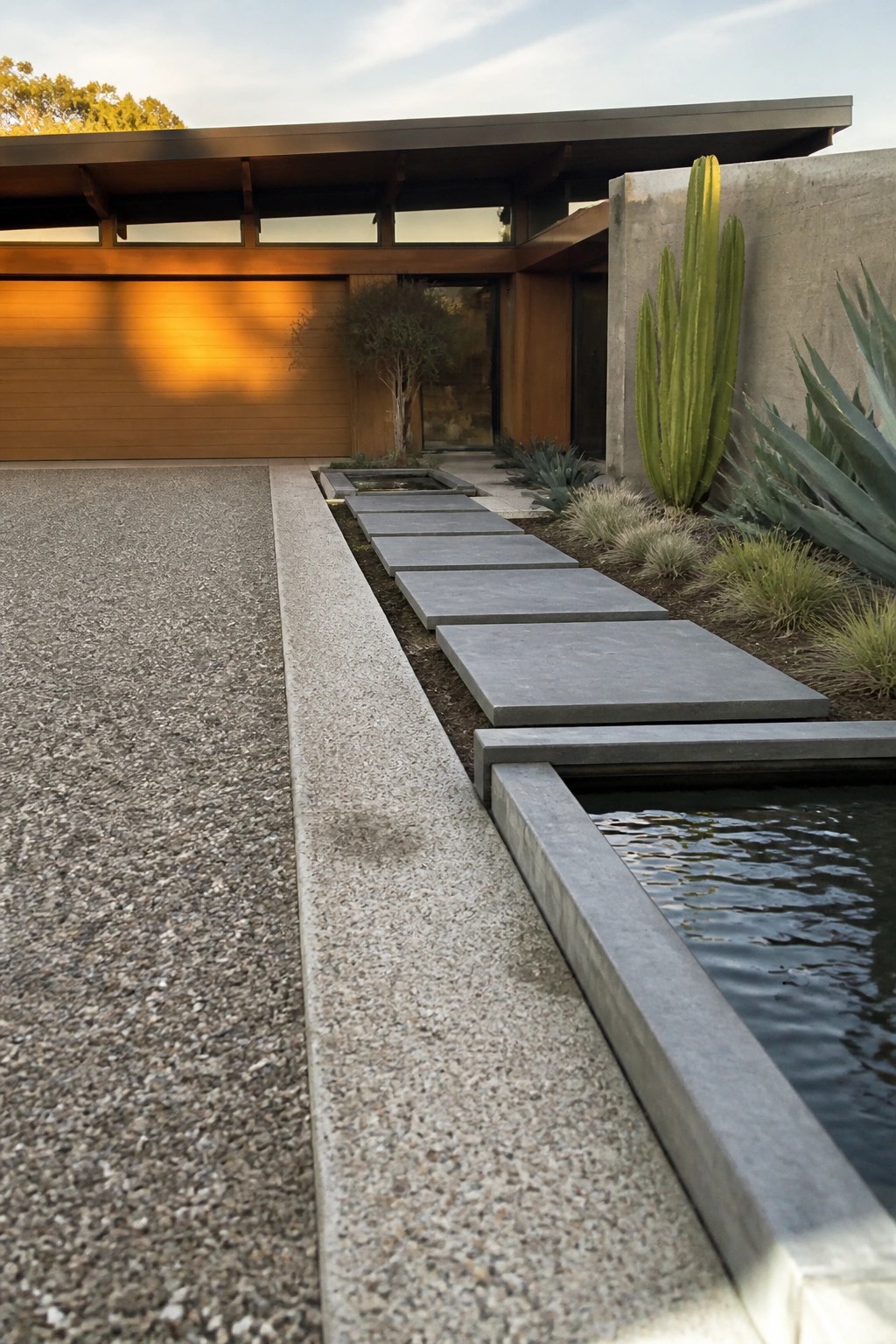
A raised concrete border gives gravel a firm stop so it stays where it belongs instead of drifting into planting beds. The clean line also makes the whole front look more finished without adding extra materials or fussy details.
This works best on homes with simple modern lines and low-water gardens. Set the concrete at least a few inches above the gravel so it holds back both stones and soil, and make sure the base under the border is compacted well if cars will pass close by.
Low Hedges Give Gravel Driveways A Tidy Edge

A low clipped hedge works well as a living border because it holds the gravel in place while keeping the edge looking neat and intentional. It also softens the look of the stones without adding another hard material next to the drive.
This idea suits homes with existing garden beds or brick paths already in place. Keep the hedge under about two feet high so it does not interfere with car doors or sight lines.
Stone Pavers Create a Clean Border Next to Gravel
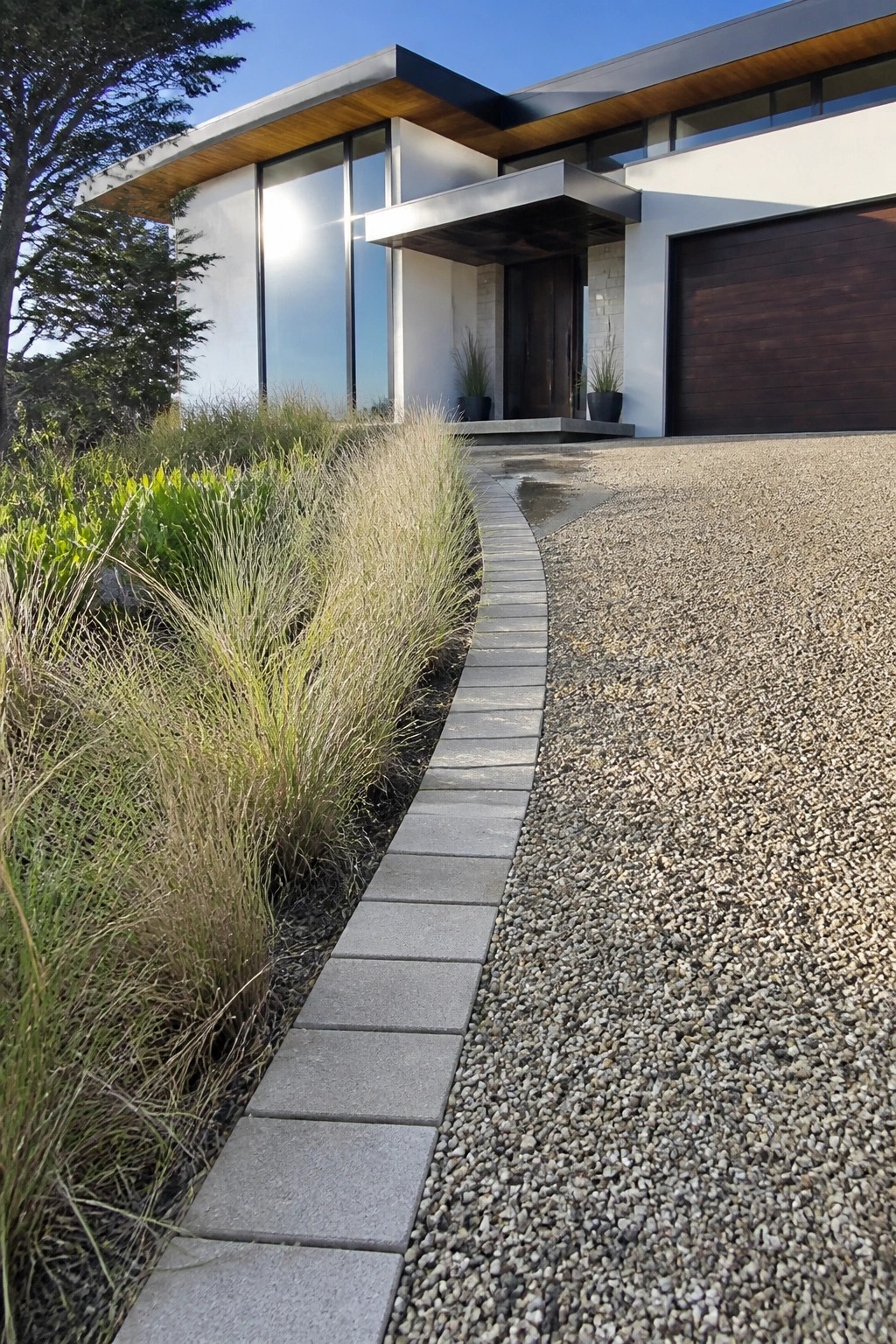
A row of flat stone pavers gives gravel driveways a firm edge that stays put over time. It stops the loose stones from drifting into planted areas and makes the whole driveway look more finished without adding much work.
This approach suits homes with simple landscaping where you want low maintenance. Place the pavers right where the gravel meets the soil or grass, and keep the line fairly straight so it feels intentional rather than fussy.
Define Gravel Edges with Lavender and Stone
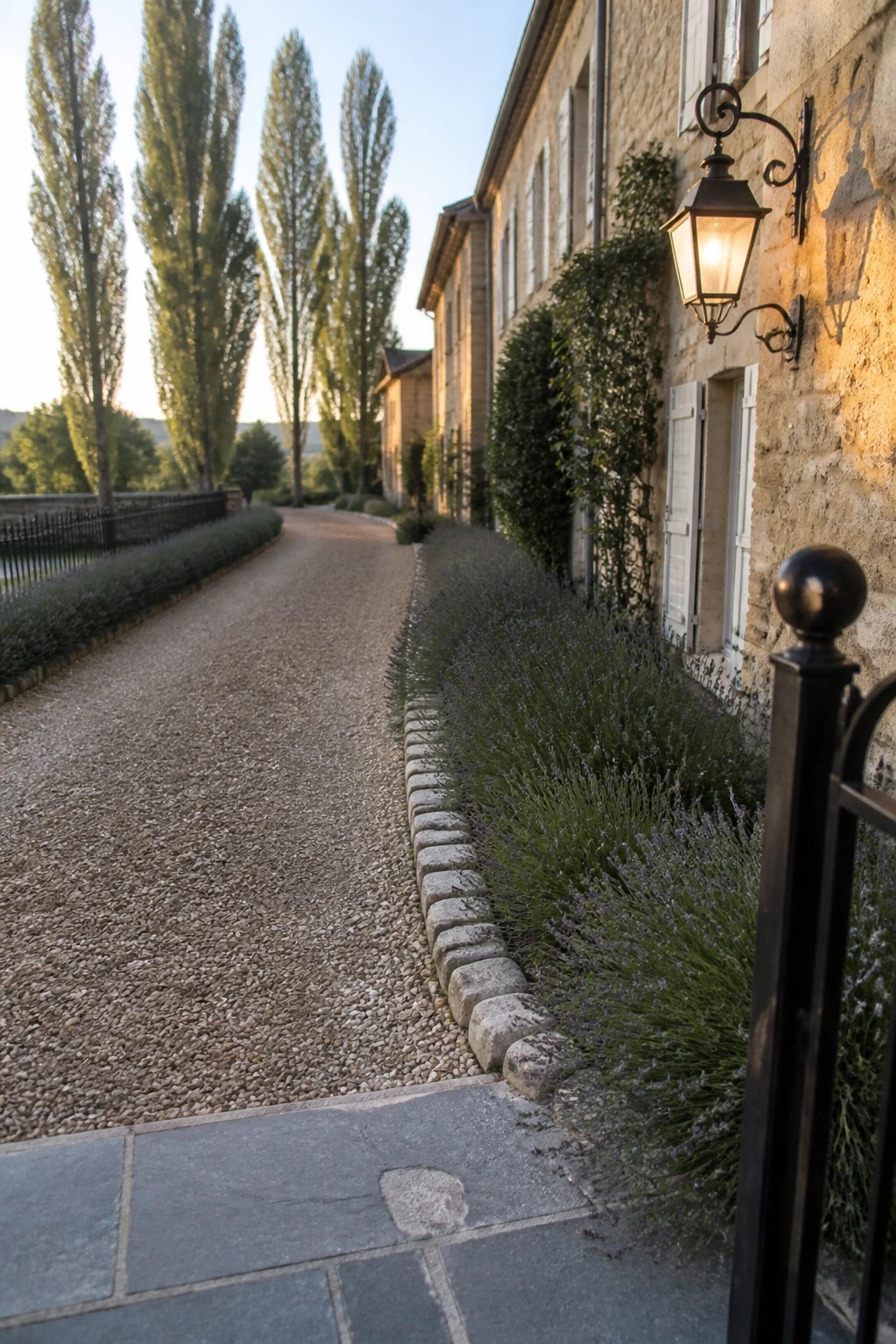
Lavender planted right against a low stone curb gives a gravel driveway a soft but firm border. The plants fill in the space, keep the gravel from spreading, and add color without blocking the view or needing much height.
This setup works best on long straight runs or gentle curves where you want something low maintenance. Use it on homes with stone or stucco walls, and choose a compact lavender variety that stays under a foot tall so it does not creep onto the drive.
Stone Block Edging For Gravel Driveways
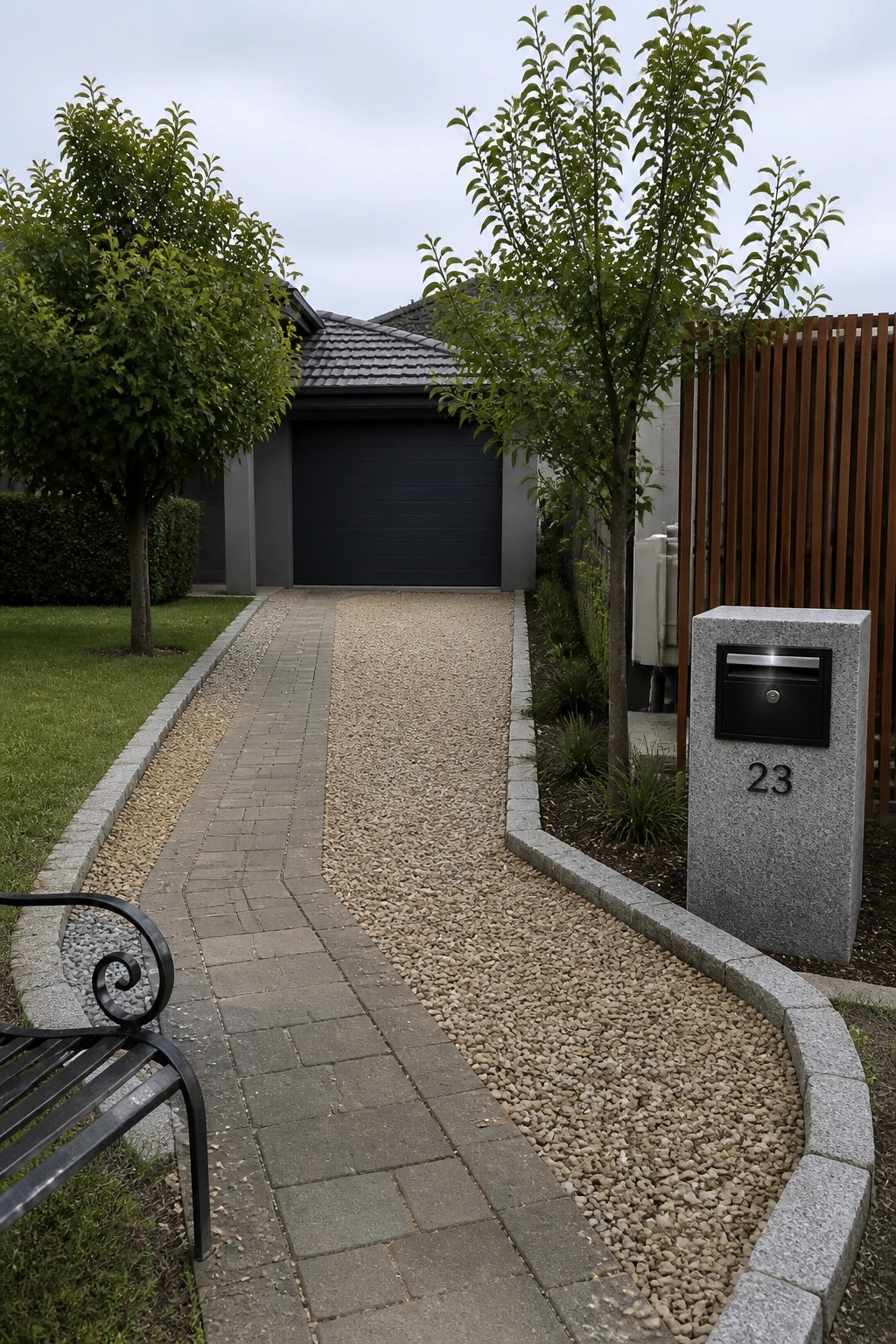
Stone or concrete blocks make a simple way to hold gravel in place and give the edge a finished look. The low profile keeps the material from spilling onto grass or paths while still letting water drain through. Many homes use this because it holds up over time without needing much upkeep.
It works well along driveways that mix gravel and paving, especially in front yards where the edge shows from the street. Place the blocks level with the ground so mowers can pass over them. This approach suits most suburban homes and keeps the gravel looking tidy even after heavy rain.
Stone Edging Keeps Gravel Driveways Neat
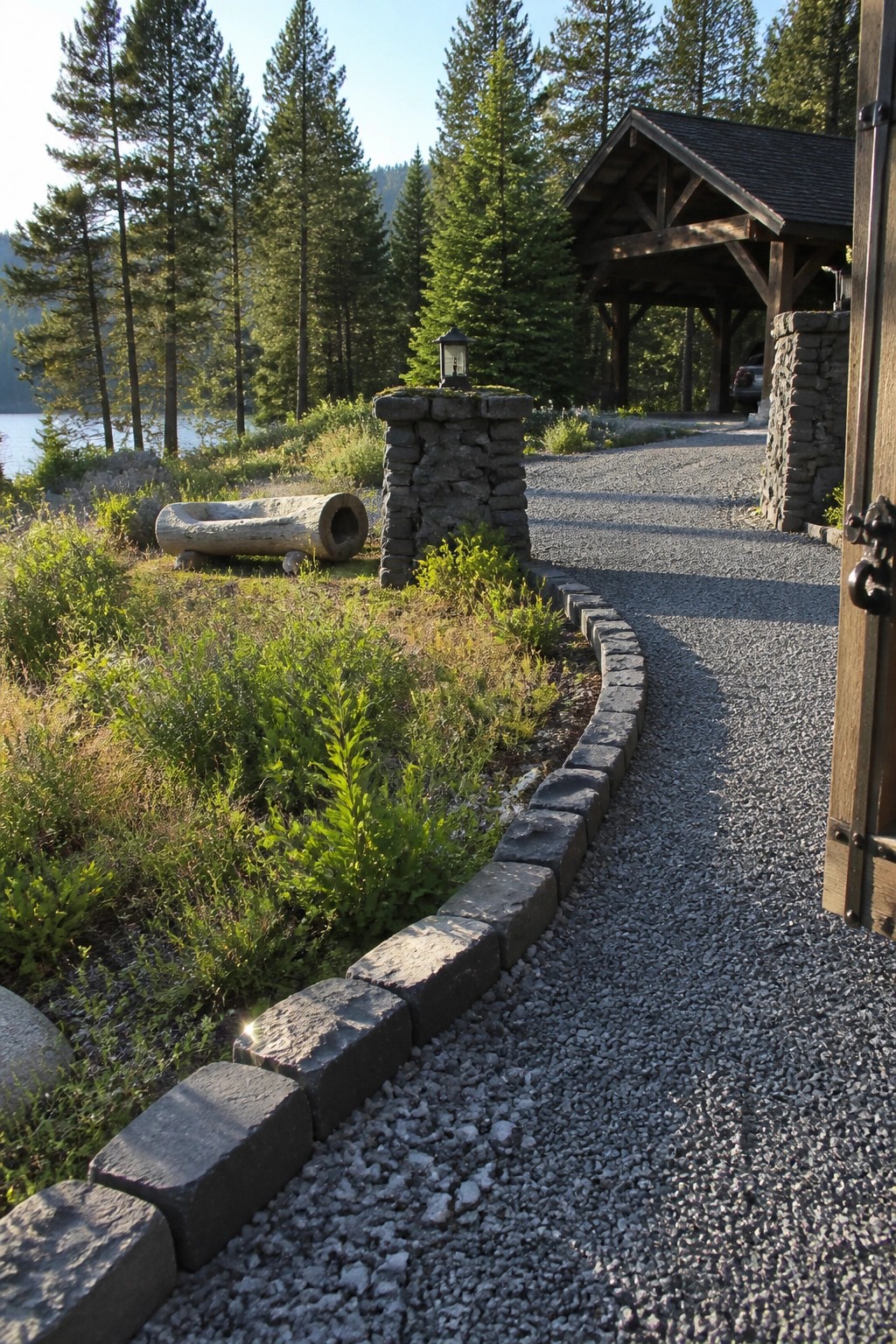
Stone blocks make a practical border along a gravel driveway. They hold the gravel in place and stop it from drifting into grass or planting areas. The low profile also gives the edge a finished look that still feels natural.
This works best on homes with gentle curves or sloped driveways. Set the blocks firmly in the soil so they stay level and do not shift after rain or snow.
Use A Lighted Border To Keep Gravel In Place
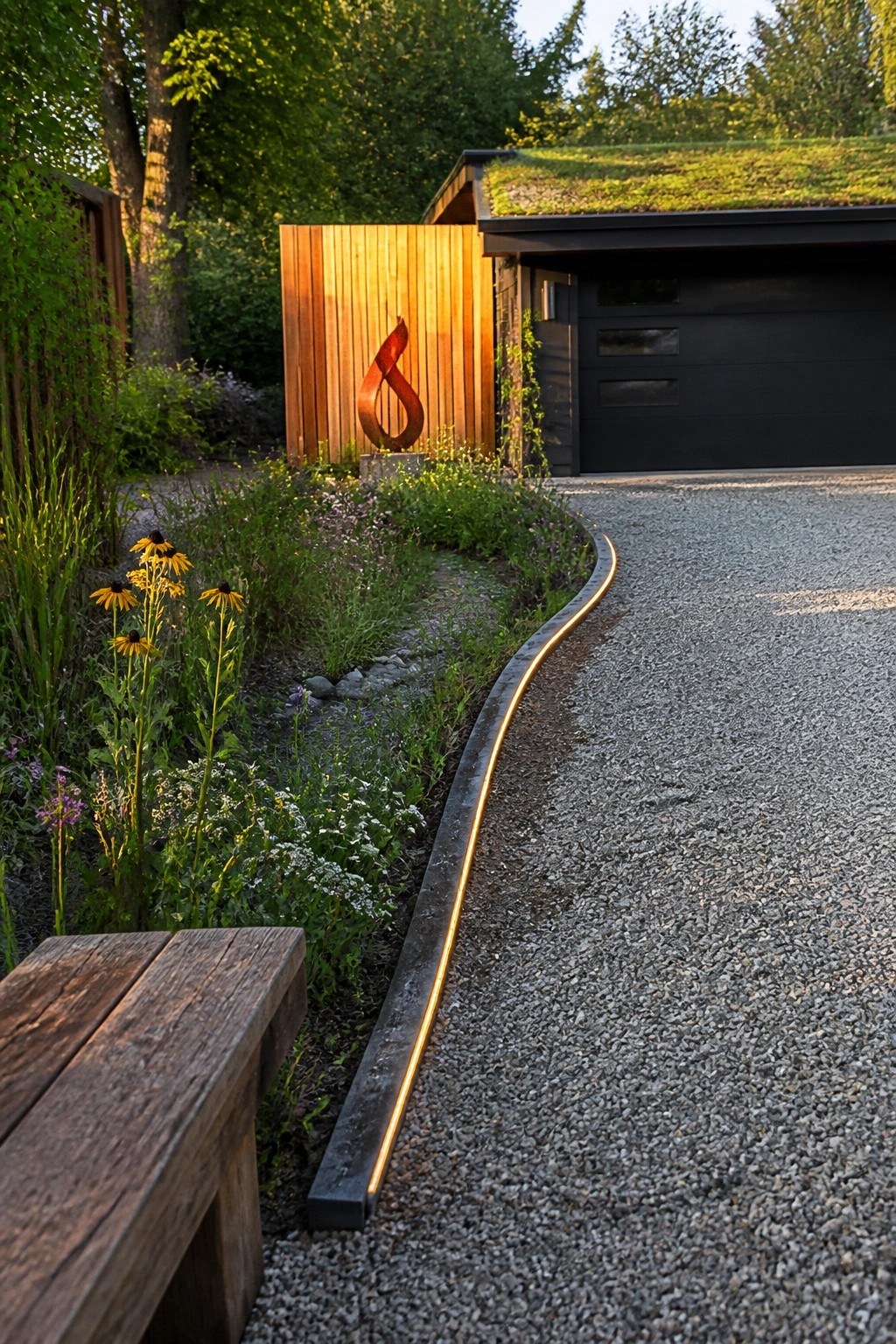
A lighted metal edge along a gravel driveway creates a firm line that stops the stones from spreading into the beds. It works especially well where the drive curves and the garden sits right beside it, since the glow marks the boundary after dark without adding tall fixtures.
This setup suits homes that already have low plantings along the drive and need a simple way to hold the gravel while improving night visibility. Run the channel flush with the surface so tires and shovels do not catch it, and choose a warm LED strip that matches any other outdoor lighting on the property.
Frequently Asked Questions
Q: How do I stop the gravel from spilling onto my lawn?
A: Set the edging deep enough so half of it sits below the surface. This keeps everything in place even after you drive over it a few times.
Q: What if my driveway has a gentle curve?
A: Flexible metal strips bend easily to match the shape. Stake them every foot or so to hold the curve steady.
Q: How do I keep weeds from growing in the border?
A: Use fabric underneath. It blocks most growth right away.
