


A narrow driveway can make everyday parking feel more awkward than it needs to, especially when opening doors or turning around takes careful maneuvering.
I’ve found that a useful extension starts with how cars actually move through the space, not just how much extra concrete can fit.
The best designs also look like they belong with the house, with clean edges, sensible connections to the walkway, and enough room for nearby planting or drainage.
Even a modest change in width can make the front of a home feel more orderly while giving drivers a little more breathing room.
I’d start by saving the options that suit your lot and testing their dimensions before settling on a layout.
Use Perimeter Lighting Along a Concrete Driveway

Adding slim lights along the edge of a concrete driveway can make a wider parking area easier to use after dark. The lights mark the boundary without taking up parking space, and they suit a clean, modern driveway.
Place them in the curb or edging where tires won’t run over them, and space them evenly for a steady guide. Check that the fixtures are rated for outdoor use and won’t create glare for drivers or neighbors.
Use Curved Edging to Shape a Wider Driveway
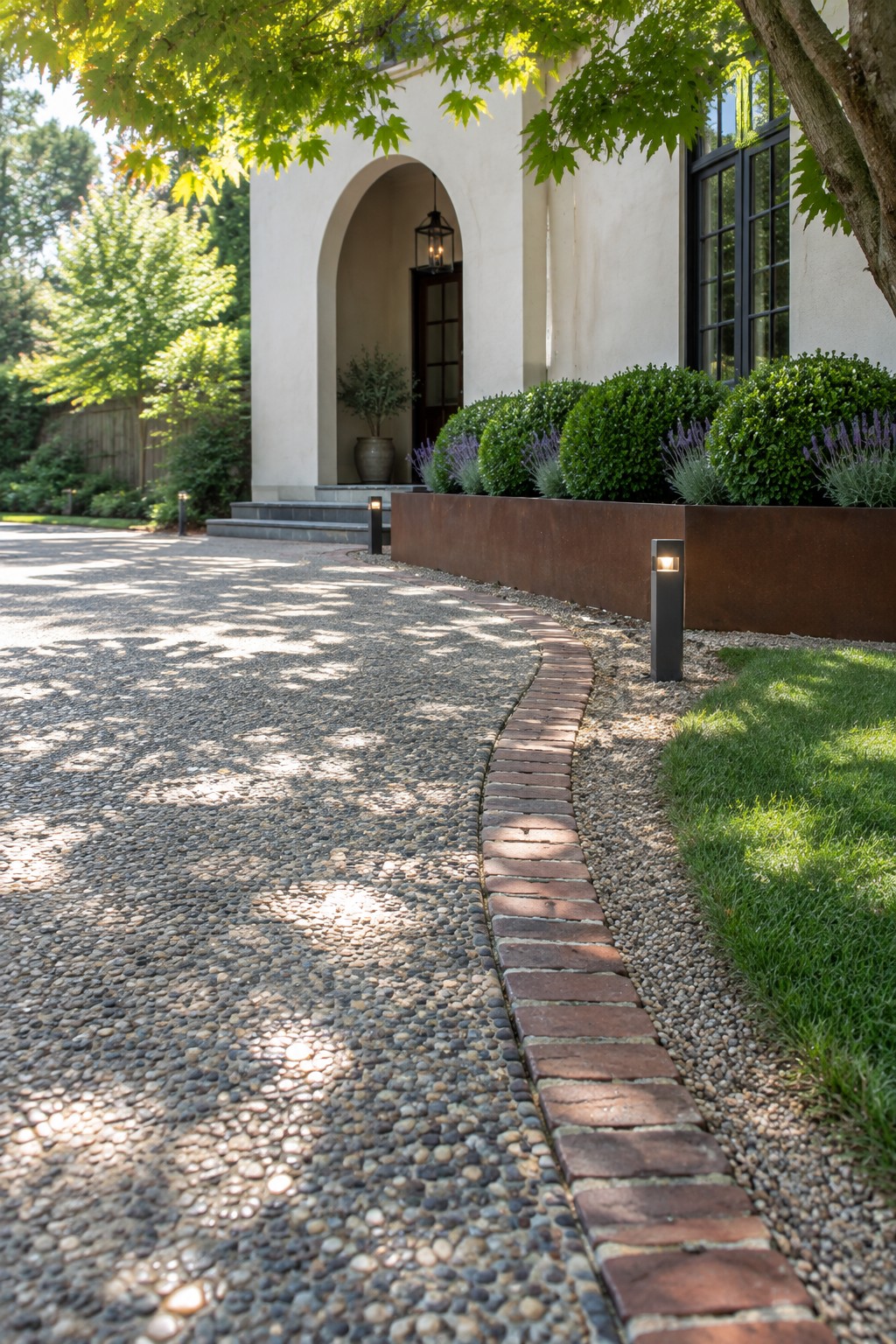
A curved brick edge can give a wider driveway extension a clear outline without making the paved area feel too rigid. It also helps separate the main driving surface from nearby gravel or lawn.
This works well when you want extra parking to follow the shape of the yard rather than run in a straight line. Keep the curve gradual so cars can pull in and out easily, and choose edging that suits the driveway material.
Use Concrete Strips To Widen A Driveway

Concrete strips with grass between them can extend a parking area without paving the whole yard. The open bands keep the surface from looking like one large slab, while still giving tires a firm place to rest.
For a wider parking area, continue the strips across the space where an extra car will sit. Keep the gaps consistent and choose a durable grass or ground cover that can handle occasional traffic. This approach works best where the parking needs are light enough that the planted sections will not be driven over constantly.
Use Textured Concrete to Extend a Parking Area

A concrete extension doesn’t have to look like a plain slab. A stamped or textured finish can give extra parking space a more finished look while still keeping the surface practical for everyday use. Irregular stone-like patterns are one option for connecting a new section to a home with traditional materials.
For a driveway extension, choose a finish that works with the existing pavement and the house exterior. Keep the surface even where it meets the original drive, and make sure the texture won’t make walking or clearing debris difficult.
Use Gravel-Set Pavers to Extend a Driveway

A wider parking area does not have to be one solid slab. Pavers with small gravel-filled gaps create a firm surface while letting the extension feel less like a broad expanse of concrete. The repeating pattern also gives the driveway a clear, tidy edge.
This approach suits a modern home and works well where extra parking is needed beside an existing drive. Choose pavers rated for vehicle traffic and use a stable base so the surface stays even under cars.
Add a Concrete Apron Near the Entry

A small concrete apron can make a driveway extension more useful by connecting the parking area to the front entry. It gives people a broad, steady route to the door without needing to add a full walkway across the yard.
For a similar setup, slope the apron gently and make sure water drains away from the house. A simple ramp can also help with carts or mobility aids, but keep its surface slip-resistant in wet or icy weather.
Use a Stone Path to Define the Garden Edge
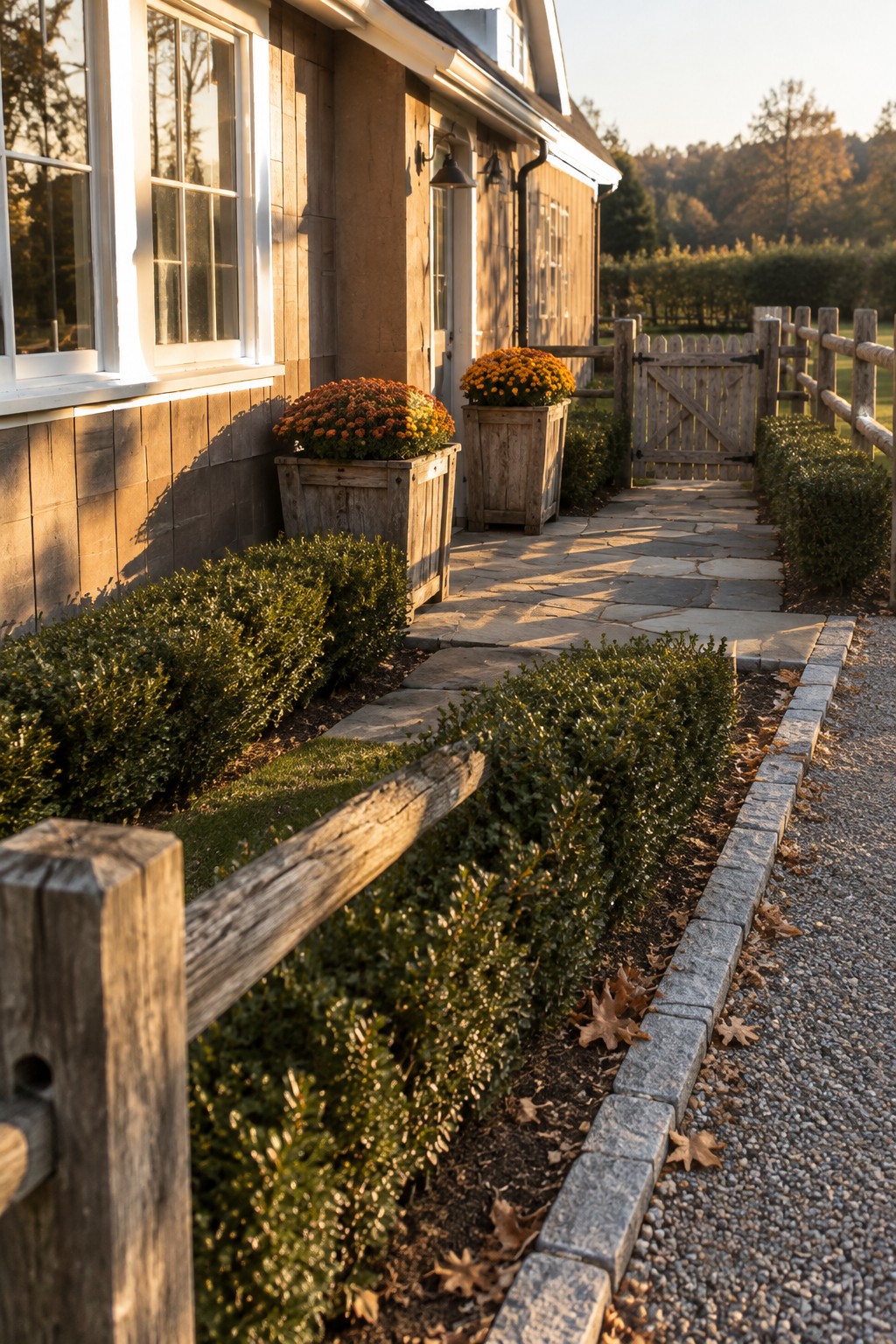
A clear path can make the area beside a home feel organized while keeping foot traffic off the planting beds. Irregular stone pavers give this walkway a casual look, and the defined edge helps it sit neatly beside the gravel drive.
For a similar layout, leave enough width for comfortable walking and use a firm, well-drained base beneath the stones. This works especially well where a path connects the driveway to a gate or entrance, but keep the route separate from any space needed for parking.
Use Planting Beds to Break Up a Concrete Driveway

A narrow planting bed can make a wider concrete parking area feel more considered without giving up much usable space. Here, dark gravel and drought-tolerant plants create a clear edge between the large concrete slabs.
This approach works well beside a modern home, especially where a full lawn would be hard to maintain. Keep the bed narrow and choose plants that suit your climate, so it stays tidy and does not crowd the parking area.
Use a Garden Path to Define the Driveway Edge
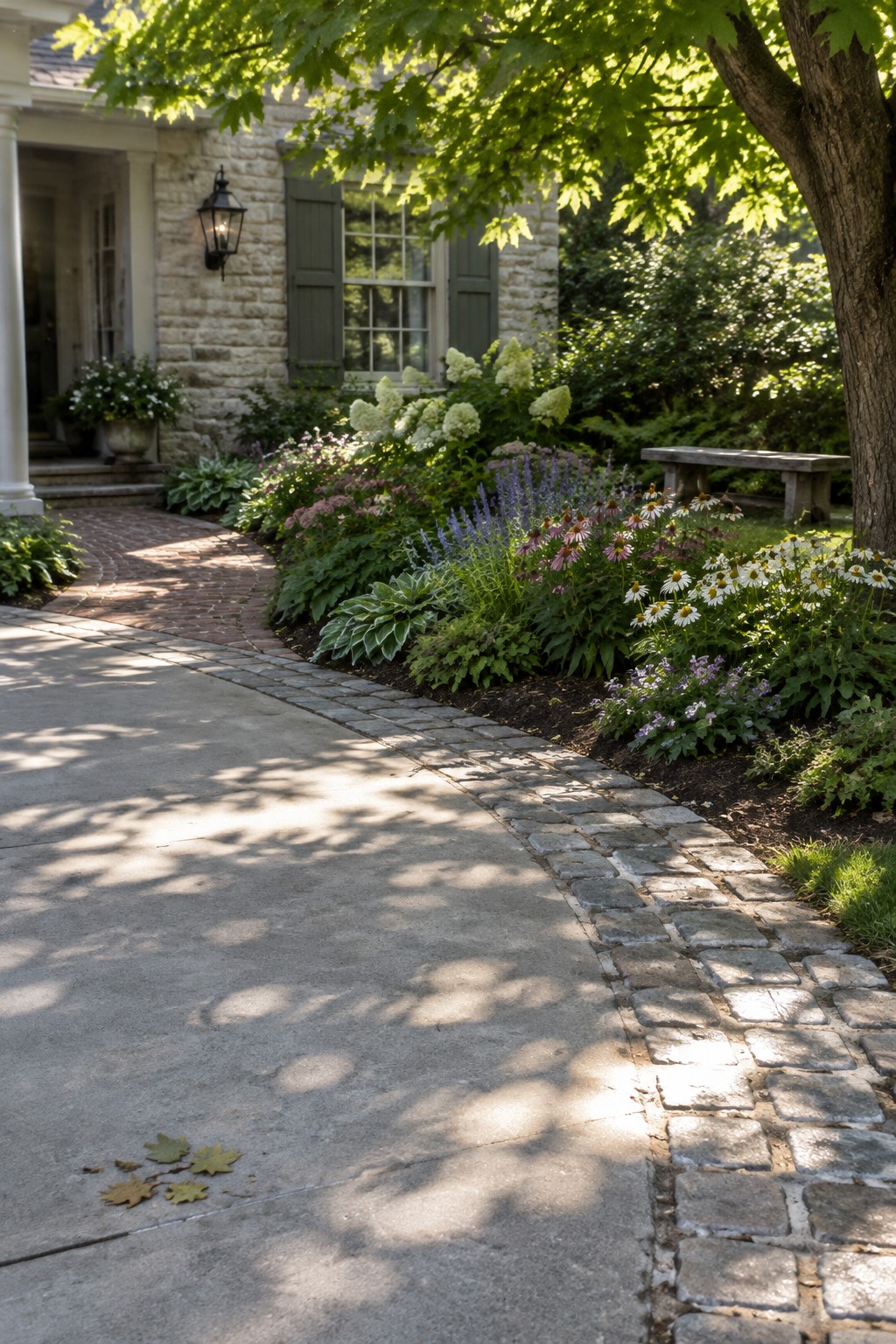
A narrow stone path along the edge of a concrete driveway can give the hard surface a more finished look and mark a clear boundary between parking and planting. It’s a practical way to make a wider paved area feel less stark without adding more concrete everywhere.
Use pavers that suit the house and leave enough room for cars to park and turn. A planted bed beside the path can soften the transition, but keep flowers and foliage from spilling into the driving area.
Use Large Pavers to Widen a Driveway

Large concrete and stone pavers can extend a parking area while giving the surface a more relaxed, varied look than a single concrete slab. The mix of light and dark slabs also helps break up a broad paved area.
This approach works well for a driveway extension or side parking strip, especially when you want a clear walking route beside the house. Leave narrow, even joints between the pavers and make sure the base drains well so water does not collect on the surface.
Add a Concrete Side Strip for Extra Parking Space
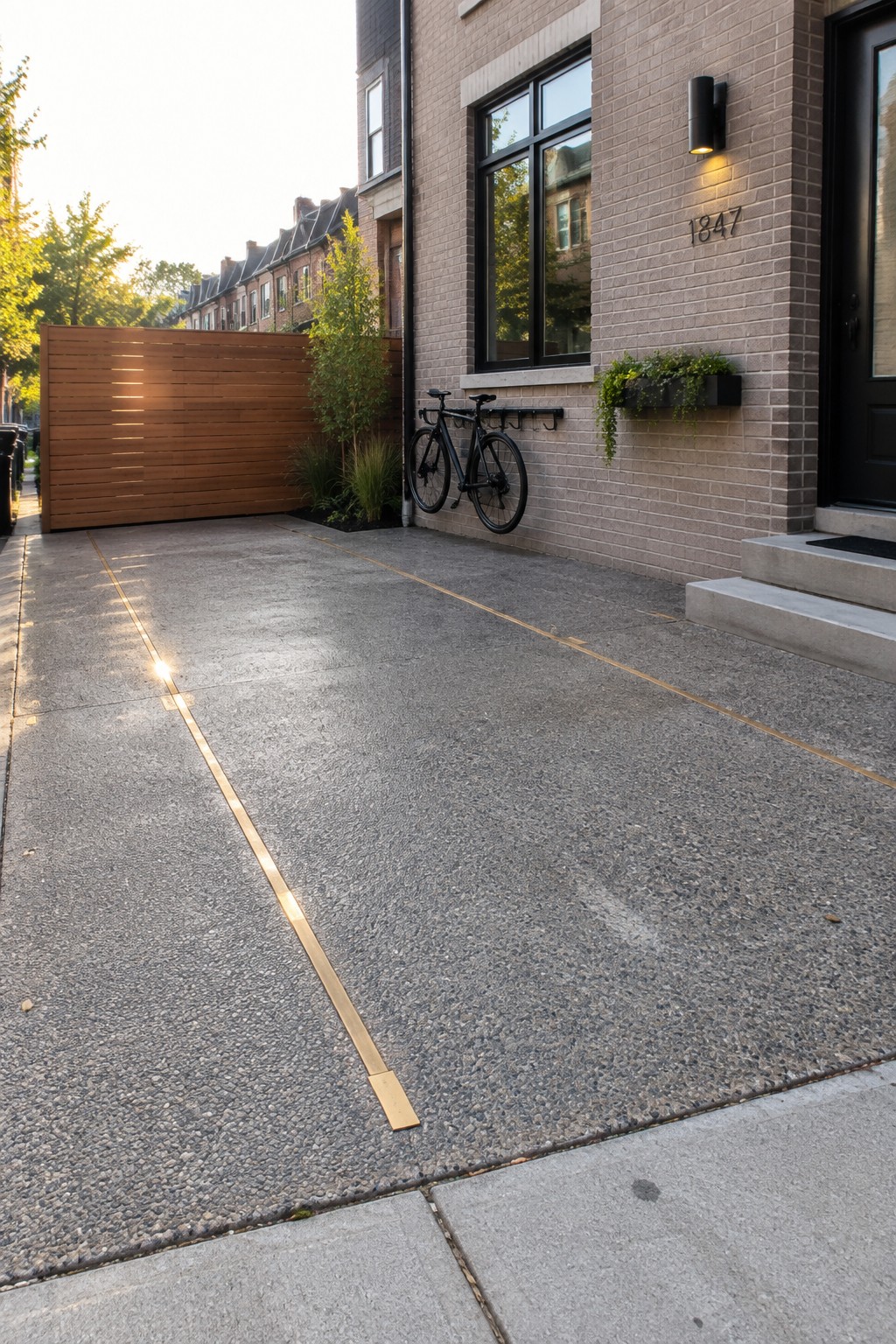
A narrow concrete strip beside the main driveway can make room for another parked car without paving the entire front area. Using a different finish or a slim divider helps the added section read as a planned extension.
This approach suits compact urban homes where every bit of parking space matters. Keep the strip wide enough for a car’s tires and make sure it meets the existing surface cleanly. The image shows a slim brass-colored divider set into the concrete.
Use a Concrete Patio to Extend Parking Space

A broad concrete surface can make a coastal home’s outdoor area more useful, especially when it also provides room for an extra parked car. The simple finish keeps the surface practical without making the whole space feel like a driveway.
This idea works best where the patio meets an existing drive or parking area. Use a similar concrete finish for a more continuous surface, and keep seating or planting along the edges so the extra paved area still feels suited to everyday outdoor use.
Use a Curved Concrete Driveway Extension
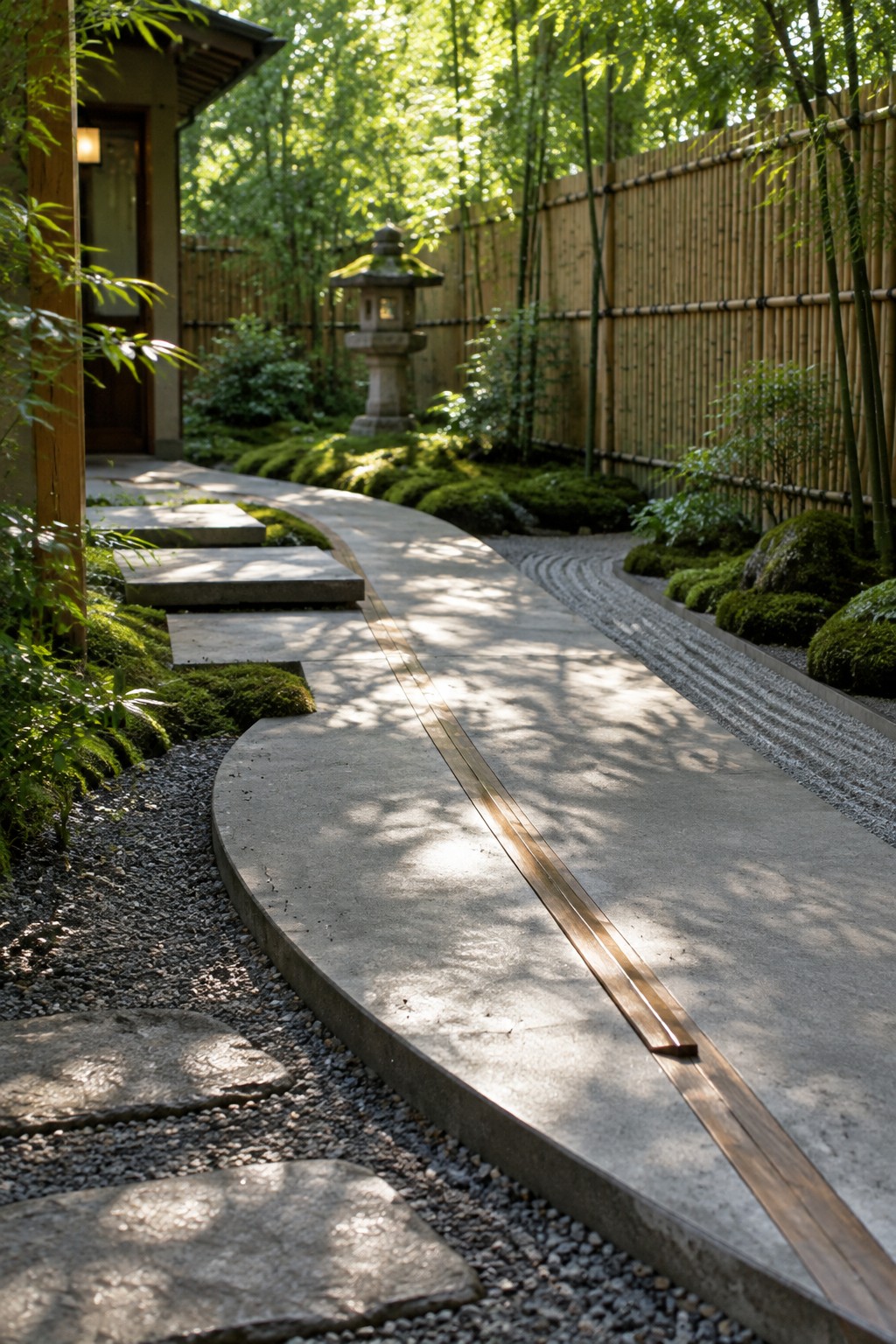
A curved concrete edge can make an extension feel like part of the landscape rather than a broad, plain slab. It also gives a wider parking area a softer outline, especially beside a garden or an existing winding drive.
Keep the curve simple and make sure the added area stays practical for turning and parking. A narrow gravel border can help separate the concrete from planting, while leaving enough clear space for doors and walking.
Use a Formal Gate to Mark the Driveway Entrance

A substantial gate can give a wide driveway a clear, finished entrance. Here, the black iron gate and pale stone pillars make the opening easy to read without adding more paving or decorative edging.
For a similar look, set sturdy gateposts just beyond the driveway’s usable width so cars can turn in comfortably. This suits traditional homes especially well, but check that the gate swings or slides without blocking the parking area.
Add a Concrete Extension for Wider Parking
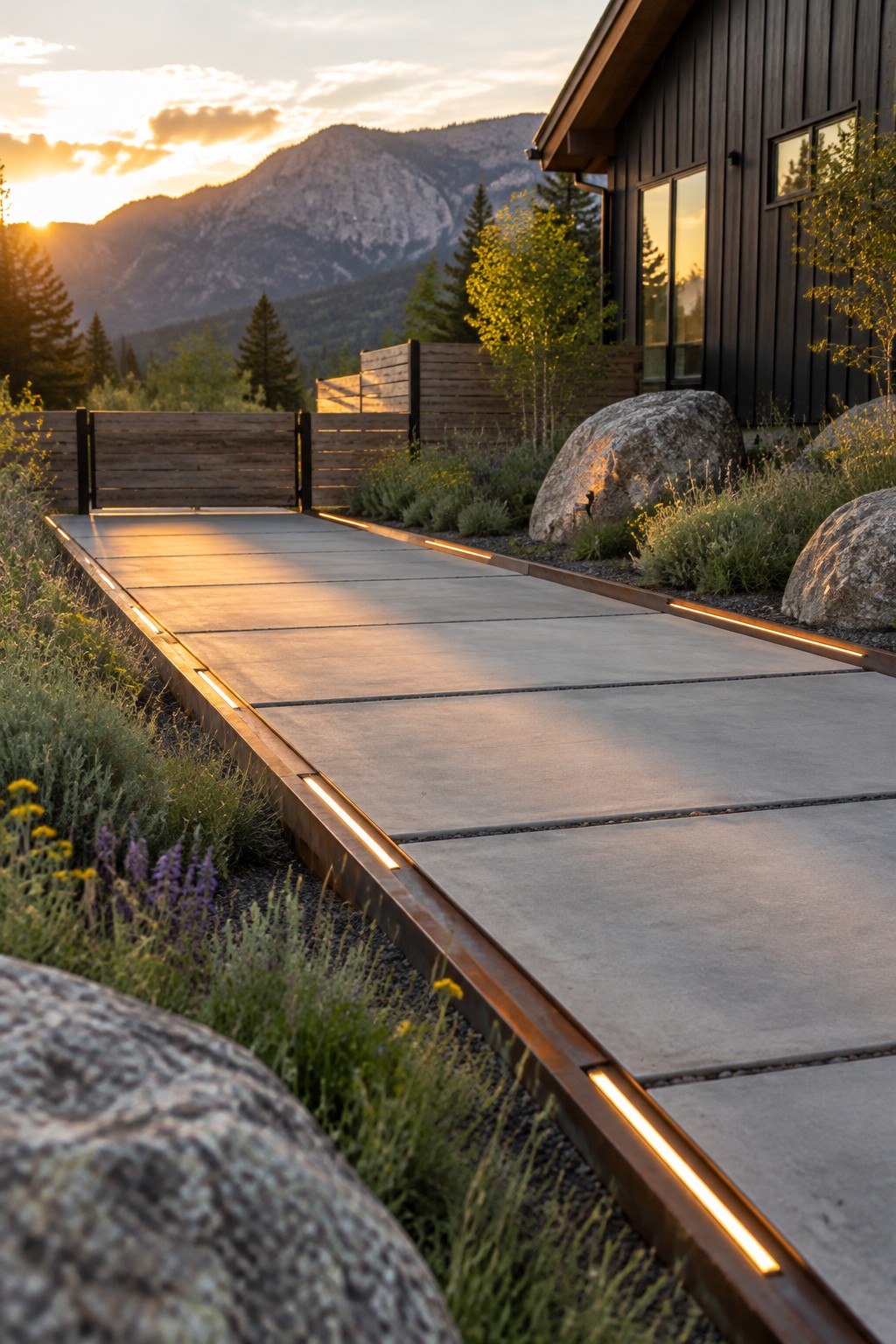
A broad concrete surface can give a driveway more room for parking without making the whole area feel like one large slab. Separate panels and a narrow border help define the extension while keeping the layout simple.
This approach works well beside a modern home where a clean, durable surface suits the architecture. Leave enough width for vehicles to park and open their doors comfortably, and make sure the added section connects smoothly to the existing driveway.
Use a Dry Creek Bed Along the Driveway
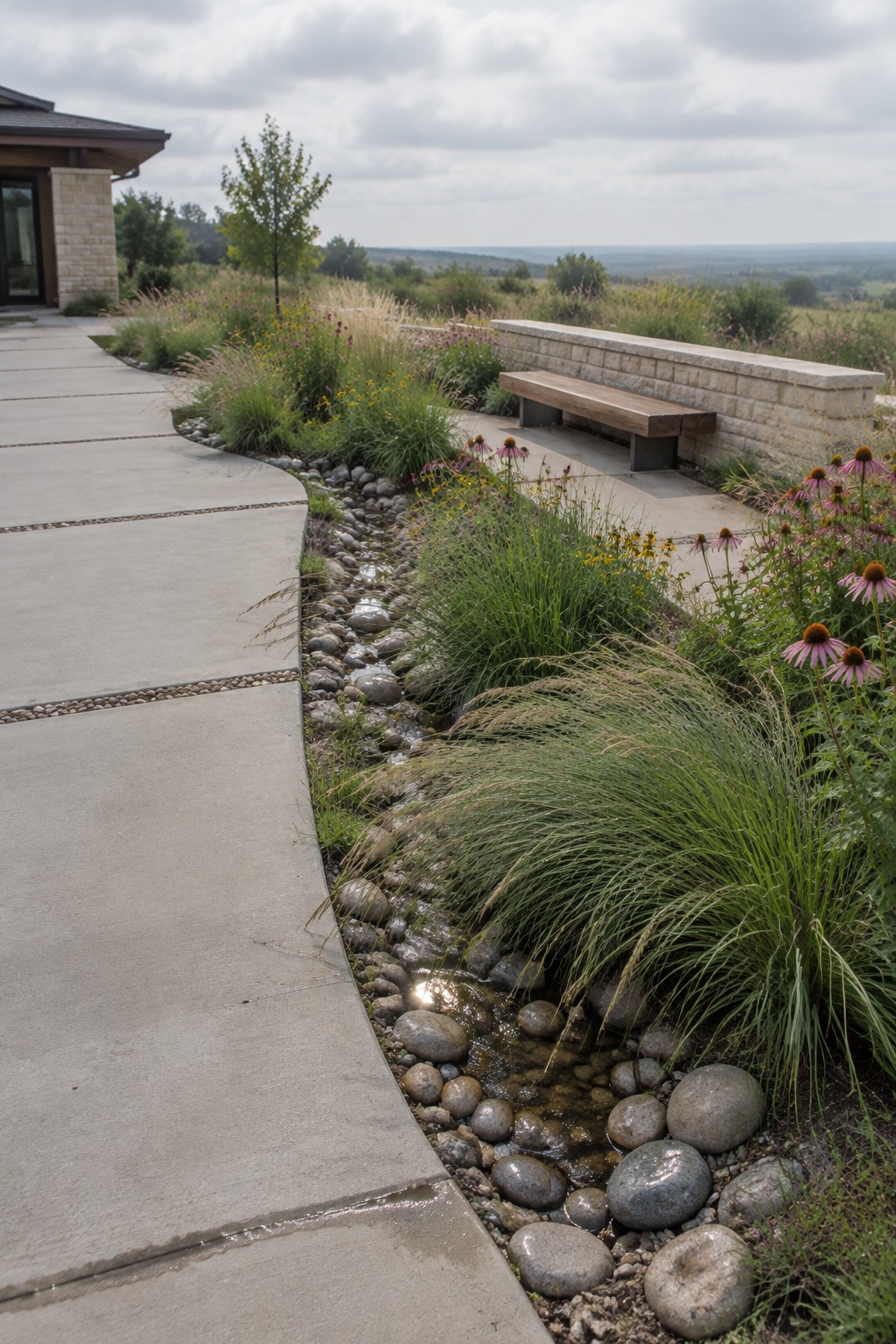
A rock-lined garden channel can give a concrete driveway edge a more natural finish while helping manage runoff. It also creates a clear border between the pavement and planting, so the widened area feels planned rather than like a plain slab.
This works well beside a driveway on a sloped or rainy site, especially where water needs a route away from the house. Use rounded stones in a shallow channel, and leave enough room for water to pass without spilling onto the pavement.
Use Concrete Decking for a Coastal Outdoor Space

Concrete decking can give an outdoor area the broad, easy-to-use surface of a deck without relying on timber. Here, the plank-like finish brings some texture to the open walkway while keeping the approach to the house practical.
This look can also work for a driveway extension, especially where a wide parking area meets a porch or walkway. Choose a stamped finish that suits the home, and make sure the surface has proper drainage and a slip-resistant texture.
Use Gravel Joints Between Concrete Driveway Slabs

Gravel-filled joints are a simple way to give a wide concrete parking area a more finished look. The narrow strips break up the broad surface without taking away the solid, easy-to-use space that makes concrete practical.
For a driveway extension, keep the gravel channels consistent in width and use a compacted base so stones stay in place. This approach suits modern homes, but avoid making the strips too wide if cars will cross them often.
Use a Curved Concrete Walkway to Shape the Approach
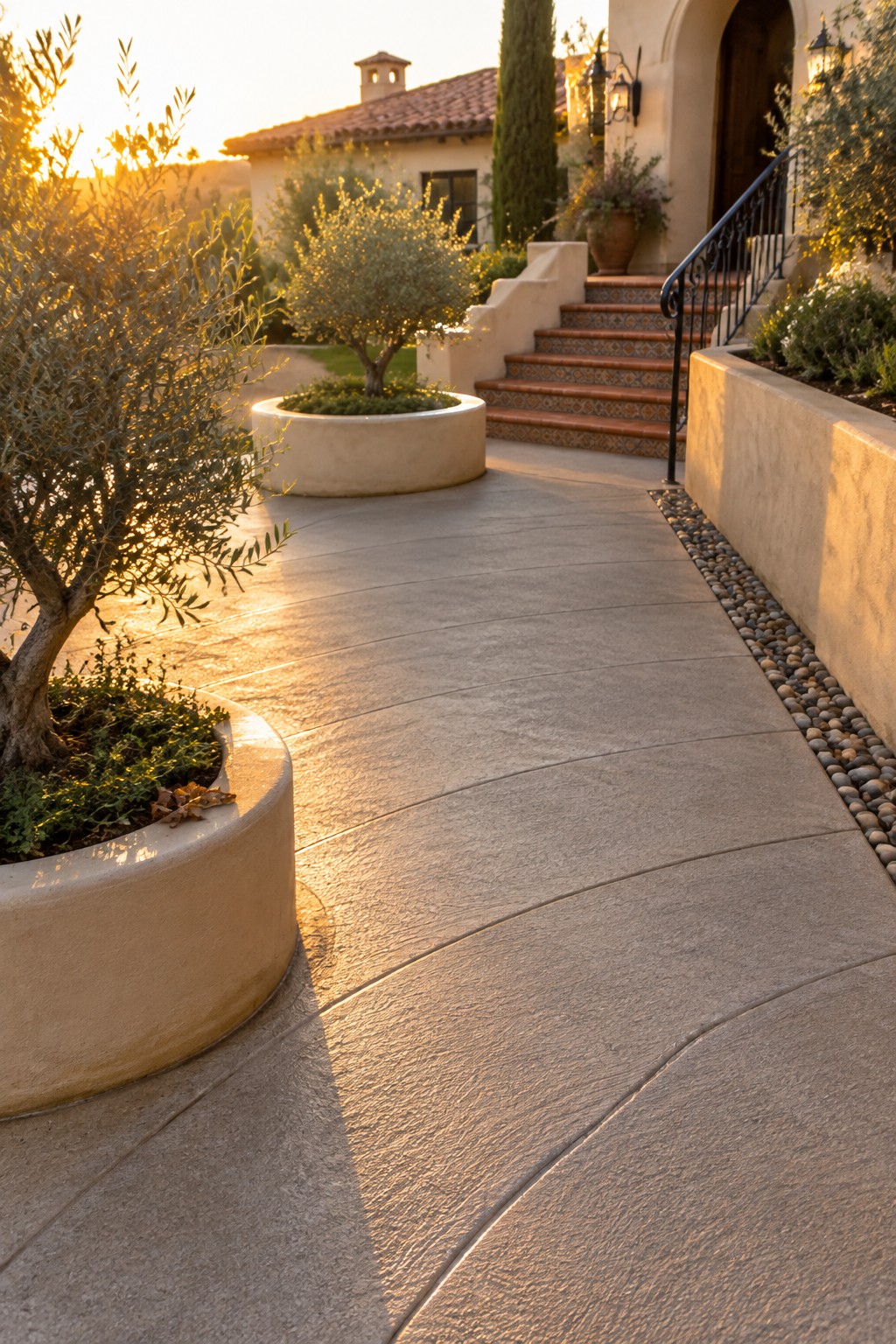
A gently curving concrete path can make a wide paved area feel more considered while guiding people toward the entrance. It is a useful approach for homes where a straight, broad surface might otherwise look too plain.
For a driveway extension, the curve can follow a planting bed or lead from the parking area to the front steps. Keep the path wide enough for comfortable walking, and use clear joints so the concrete sections sit neatly together.
Frequently Asked Questions
Q: How wide should I make a concrete driveway extension for one extra car?
A: Plan for about 9 to 10 feet of clear width for a comfortable parking space. Leave room to open doors and keep the new edge clear of trees, utility boxes, and walkways.
Q: Can I pour a new concrete section right next to my existing driveway?
A: Yes, but the new slab needs a stable, well-compacted base and a proper joint where it meets the old concrete. A contractor can check whether the existing driveway has settled or cracked before tying the two areas together.
Q: Will a concrete extension look noticeably different from my old driveway?
A: It might. New concrete often looks brighter at first, so matching the finish and joint pattern helps the addition feel intentional while the color gradually weathers.
Q: Do I need a permit to widen my driveway?
A: Check with your local building or planning office before work begins. Some areas limit how much of a front yard can be paved or require approval for changes near the sidewalk.
